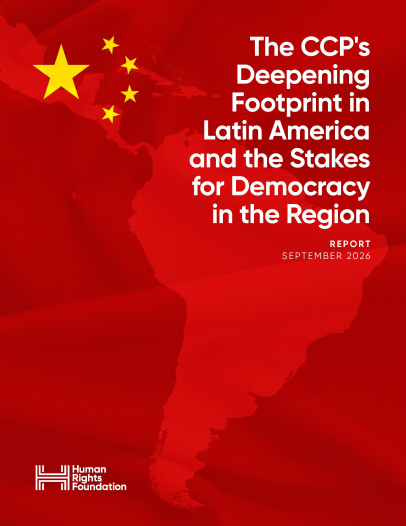
Following a period of U.S. retreat that lasted until the end of 2025, and amid an ongoing realignment of the international democratic bloc, illiberal actors — particularly China, Russia, and their closest allies — continue to look for opportunities to gain influence and undermine institutions to their advantage, especially in middle-income countries, where American actions are viewed with disdain and alliances with alternative powers are seen as economic opportunities.