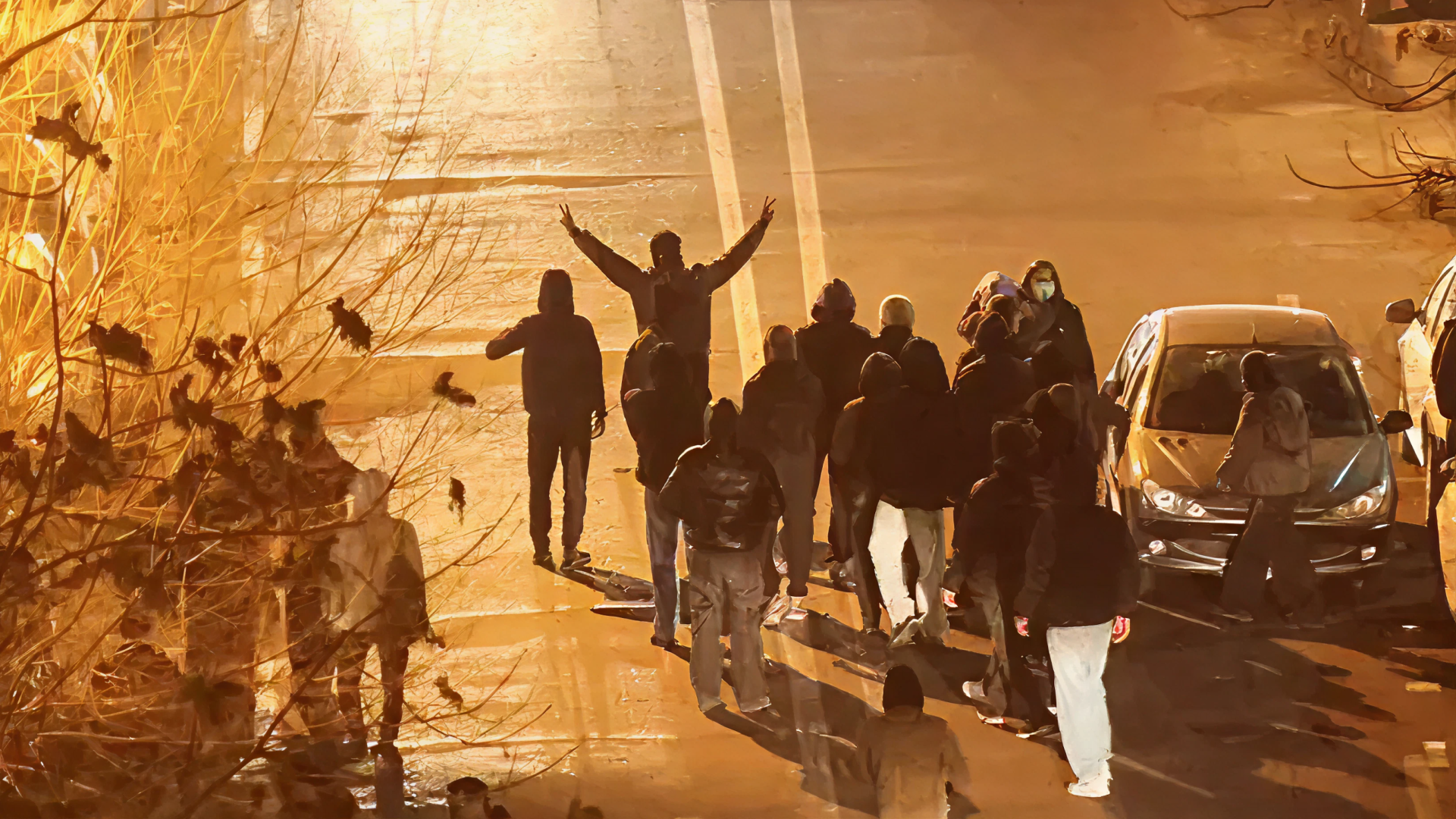
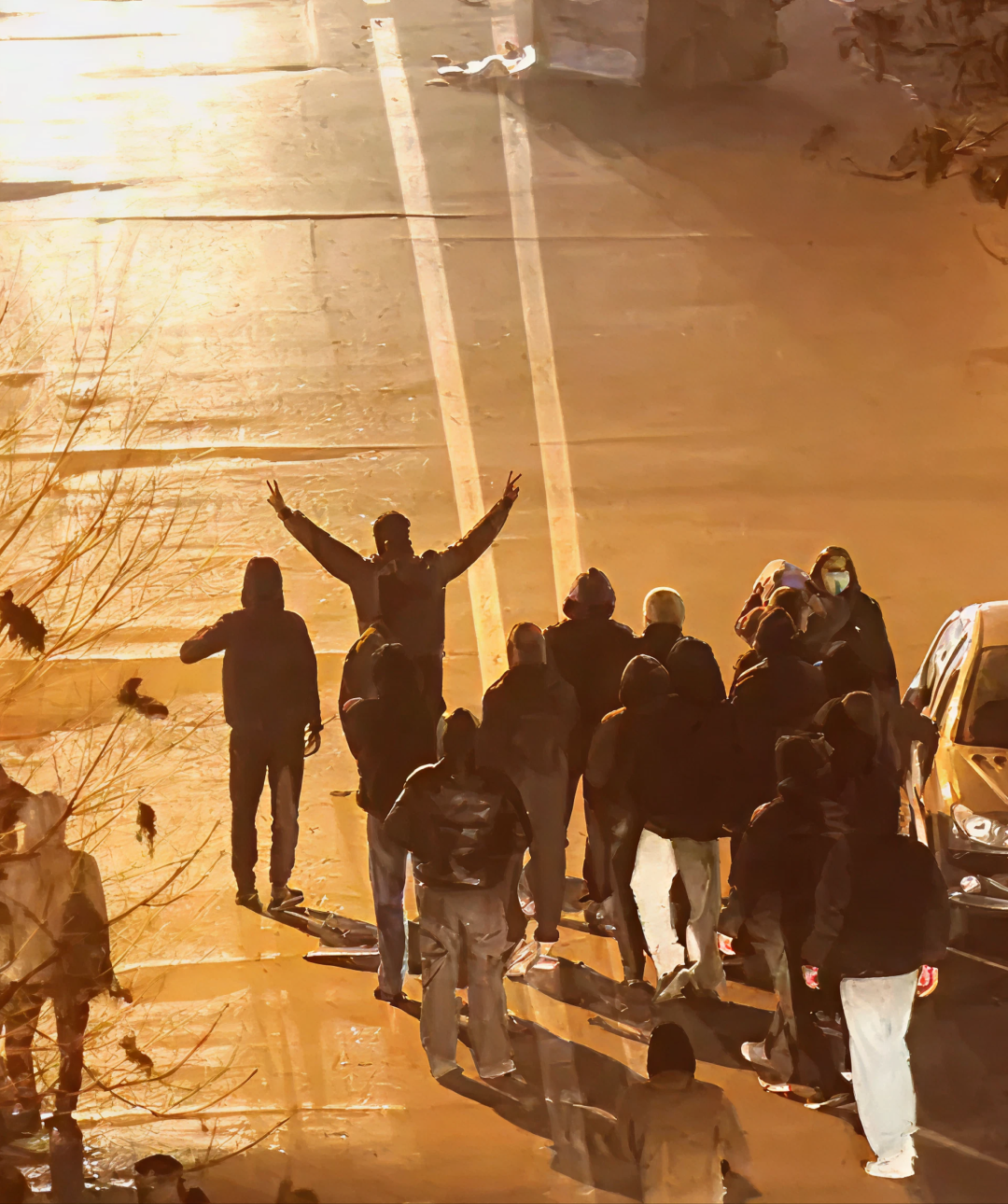
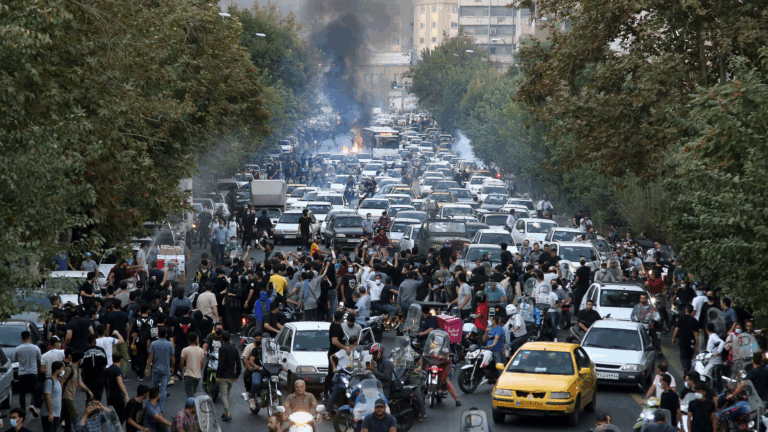
It has been 31 days since the Iranian people took to the streets en masse to protest. Though initially sparked by economic hardship, the protests quickly grew beyond Tehran’s grand bazaar, as people expressed outrage over the regime’s widespread human rights violations and called for the removal of dictator Ayatollah Ali Khamenei.
The regime has responded with deadly force and a 19-day internet blackout. At the time of writing, the death toll for Jan. 8–9 alone stands at more than 30,000. Reports estimate that another 330,000 people have been injured.
On Jan. 9, Khamenei ordered the Supreme National Security Council to quell the demonstrations by any means necessary, ordering officials to shoot to kill and show no mercy. Videos verified by The New York Times show officials opening fire on protesters in 19 cities, including six different neighborhoods in Tehran. Images leaked to the media and reports from those on the ground show medical equipment still attached to bodies with gunshot wounds, indicating they may have been shot while receiving treatment for injuries sustained during the protests.
Many have deemed the regime’s level of violence and indiscriminate crackdown a massacre.
Families continue to search for missing loved ones by rummaging through hundreds of body bags that have piled up in makeshift morgues. Some of those looking for answers were taken to a hall where a TV showed photos of victims, each labeled with a number. Reports indicate that supplies of body bags have been depleted, while ambulances have reportedly been replaced with eighteen-wheel trucks — further complicating efforts to identify victims.
The limited communication available to those inside Iran means that other incidents of brutality against protesters may remain unreported.
Iranian dissident rapper Toomaj Salehi told the Times that while the crowds of protesters were smaller after the internet shutdown, security forces’ shooting increased dramatically. Intelligence officials threatened to arrest Salehi, who is no stranger to Iranian prison after spending 753 days in detention for writing a song in support of the 2022 “Woman, Life, Freedom” protests.
Like Salehi, many of those detained in prisons across Iran have simply spoken up about the human rights situation in the country, including Nobel Peace Prize laureate and women’s rights activist, Narges Mohammadi, who has spent nearly a decade behind bars. Despite solitary confinement and denial of medical care, Mohammadi remains an outspoken advocate during the ongoing protests.
The regime’s repression does not end at its borders: Iranian journalist and activist Masih Alinejad is expected to soon face another of her would-be assassins in a New York court, a man who attempted to kill her at a university talk on the order of the Iranian regime.
Iran’s dictatorship will stop at nothing to silence dissent. The regime is executing the same tactics it has previously used but now, at an unprecedented scale.
Iranians inside the country and in the diaspora are asking for democratic governments around the world to take the following concrete steps to hold the regime accountable:
- Designate the Islamic Revolutionary Guard Corps as a terrorist organization
- Coordinate efforts to freeze Islamic Republic assets
- Legal accountability at the international level
- Demand the immediate release of all prisoners of conscience
- Guarantee internet access for those inside Iran
- Withdraw diplomatic recognition