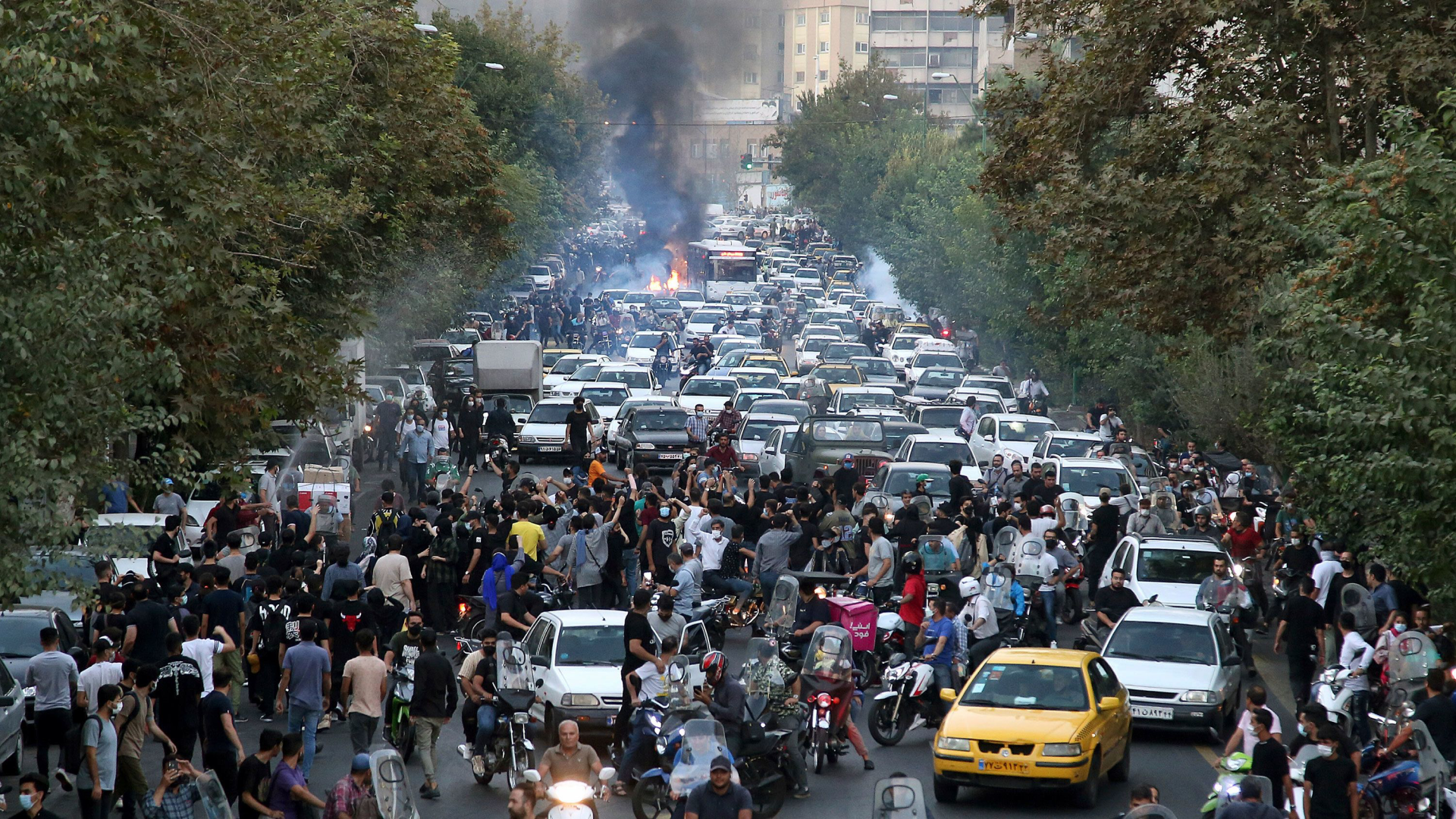
Since December 28, 2025, the Iranian people have taken to the streets to protest en masse. Initially fueled by social grievances and economic hardship as the inflation rate soared to 40 percent and the rial fell to record lows against the dollar, citizens are now calling for the removal of Ayatollah Ali Khamenei, Iran’s supreme leader.
Mass protests are not new to Iran. The regime’s closure of the reformist newspaper Salam sparked student protests in 1999. A decade later, participants in the 2009 Green Movement protested the fraudulent reelection of Mahmoud Ahmadinejad, demanding “where is my vote?” Most recently, the murder of 22 year-old Mahsa Amini for “wearing the hijab improperly” ignited the Woman, Life, Freedom movement in 2022.
The regime has clung to power despite the people’s repeated challenges to dictatorship. Yet there is a growing consensus that these ongoing protests are different, and that they could spell the end of the Islamic Republic.
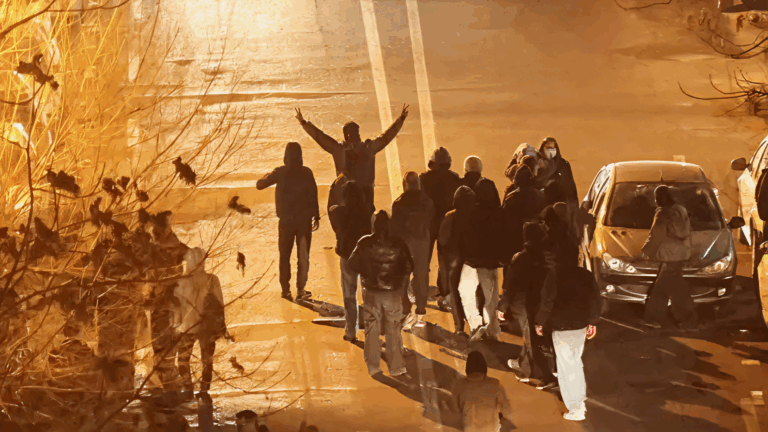
The ongoing protests started in Tehran’s Grand Bazaar before spreading to universities and then to public spaces. At the time of this writing, the protests have spread to more than 100 cities and towns across all 31 of Iran’s provinces. There are widespread strikes and shop closures alongside the street protests. Flags bearing the Islamic Republic emblem have been ripped down, and a building belonging to the state broadcasters was set on fire.
The regime has responded as it always has: in a brutal crackdown designed to quash all dissent. More than 2,200 people have been arrested, of whom at least 166 are under the age of 18. Many of those detained have been coerced into making forced confessions. Security forces have fired tear gas and ammunition indiscriminately against protesters. A surgeon reported that the death toll from January 8 was higher than that of the 12-Day War between Iran and Israel last year, which killed more than 1,000 people. And on January 9, Tehran’s prosecutor Ali Salehi stated that protestors could face the death penalty for their actions under “moharebeh,” which translates to “waging war against God.” This is a familiar charge for activists in Iran, who have faced similar penalties for “corruption on earth” or “spreading propaganda.”
On the evening of January 8, the Iranian dictatorship cut off internet access nationwide. The regime has previously used communications restrictions as a smokescreen to commit mass human rights violations. When protesters took to the streets in November 2019, the regime shut down the internet and killed at least 1,500 people.
As of now, neither repression nor the shutdown have deterred protestors from taking to the streets. Chants of “Don’t be afraid, we are all together” can be heard across the country.
The regime’s severe repression of past protest movements serves as a sober reminder that today’s protestors are risking their lives for human rights and freedom. But the frequency and scale of Iran’s current protests show no sign of stopping. People of all ages, genders, and economic and social backgrounds taking to the streets shows that they are unified in their cry for freedom.
The world must continue to watch what is taking place in Iran. Democratic governments need to take action. This moment could be the culmination of 46 years of oppression. Millions of people are demanding their freedom, and we should support them in their efforts to finally bring democracy to Iran.