
Download
If you would like to save this report, you can always download it here as a PDF.
What Are the SDGs?
Adopted in 2015 by the United Nations General Assembly, the SDGs are a global framework designed to address major challenges such as poverty, inequality, and environmental degradation.
Centered on five pillars (People, Planet, Prosperity, Peace, and Partnerships)
People
Prosperity
This pillar seeks sustainable and equitable economic growth, focusing on inclusive employment, resilient infrastructure, innovation, and sustainable practices for a prosperous future for all
Planet
This pillar focuses on climate change and environmental degradation, advocating for clean water, sustainable energy, and conservation efforts to protect natural habitats and combat climate change.
Peace
Partnerships
The 17 Goals and 169 targets cover areas including health, education, climate action, and strong institutions. They encourage states to align national policies with these priorities, mobilize resources, and share progress through voluntary reviews.
The overarching aim is to build a more equitable, resilient, and sustainable world by 2030 through coordinated efforts within and among countries.
Human rights and democracy are integral to the SDG framework, even though they are not directly named as separate Goals. Sustainable development, as set out in the SDGs, requires governance systems that protect rights, promote transparency, and allow people to participate meaningfully in public life. The framework mentions human rights and democracy only indirectly, yet it is firmly rooted in both principles. More than 90% of the SDG targets align with established human rights obligations, and democratic values, of participation, accountability, and the rule of law, are most clearly expressed in SDG 16, which focuses on building peaceful and inclusive societies supported by effective and accountable institutions.
However, the fact that human rights and democracy are mostly indirect creates an important weakness in the SDG system. Because these principles are not stated as explicit requirements, countries can claim progress on the SDGs without clearly showing whether that progress is supported by rights protection, transparency, public participation, and accountability. As a result, they can appear to support the SDGs while undermining the very principles on which the SDGs depend. This problem is deepened by the SDG system’s voluntary nature: countries report their progress through Voluntary National Reviews, which explain what they have done to advance the Goals, but these reports are largely prepared by governments themselves. As a result, while this process has encouraged wide participation, it is vulnerable to selective reporting, exaggerated progress, and weak accountability.
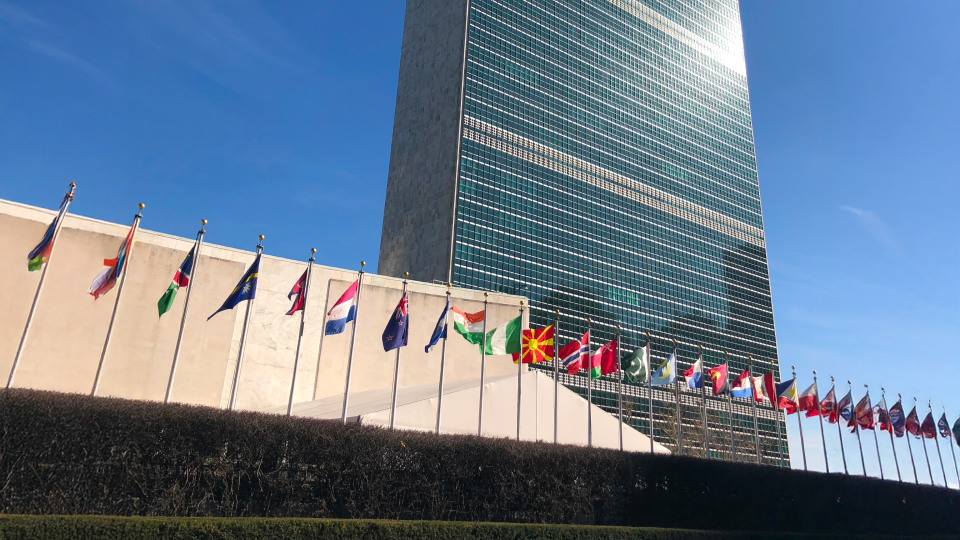
United Nations Headquarters in New York City.
Photo credit: USGS
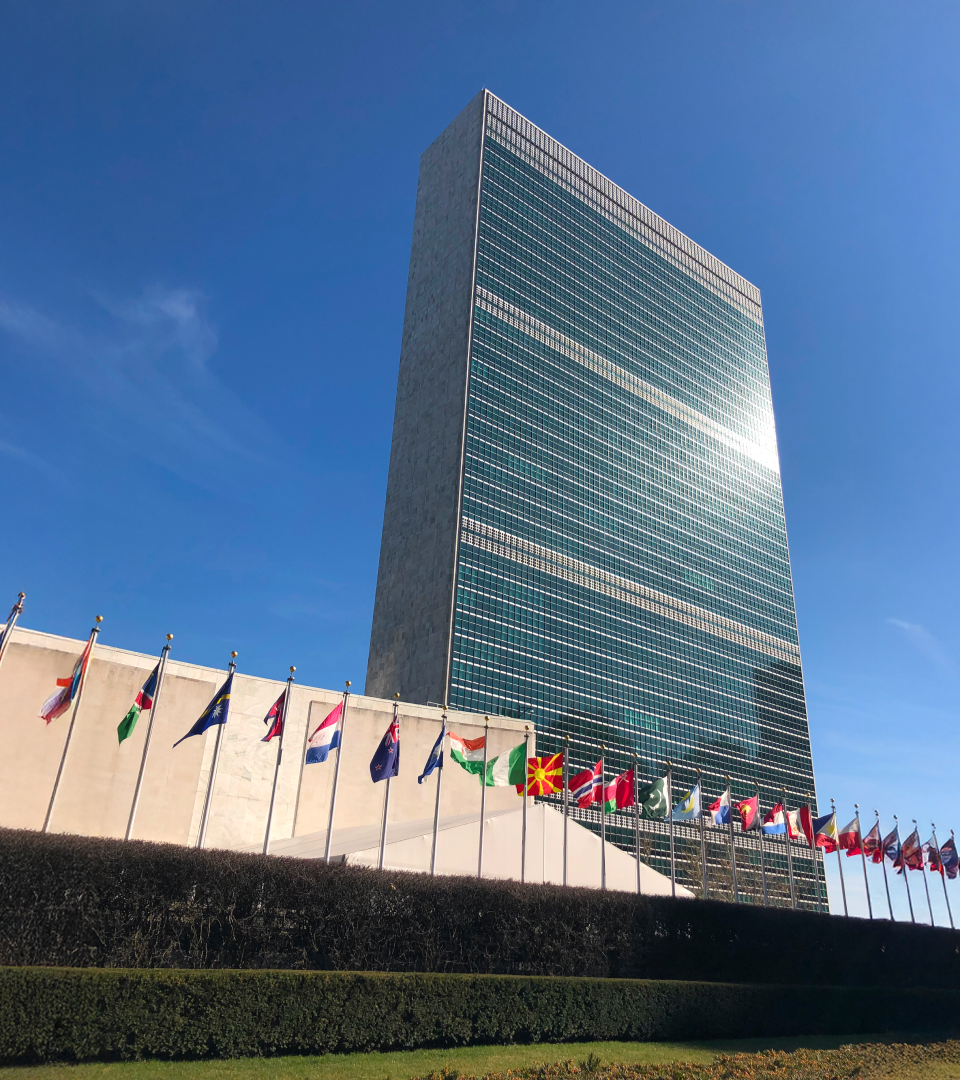
United Nations Headquarters in New York City.
Photo credit: USGS
Do Autocrats Really Support the SDGs?
The problem of voluntary SDG reporting becomes especially important in the context of authoritarian regimes. Although genuine SDG implementation requires transparency, accountability, and respect for fundamental freedoms, authoritarian states still participate actively in SDG processes because the framework is non-binding and easily manipulated. Its voluntary nature gives them a low-risk way to signal commitment without undertaking meaningful reform or compliance.
Across the regimes analyzed, autocrats’ engagement with the SDGs consistently serves regime preservation rather than sustainable development. Regimes often incorporate SDG language into national plans in vague or symbolic ways that reinforce existing power structures.
In practice, the SDG policies built by authoritarian regimes are selectively constructed and frequently inconsistent. Across analyzed regimes, implementation efforts concentrate on the “People,” “Planet,” and “Prosperity” pillars, while the “Peace” and “Partnerships” SDGs are routinely neglected or actively undermined. Even in the areas they prioritize, regimes often pair nominally progressive policies with measures that restrict or erase their intended effects. Authoritarian states may also endorse international sustainability agreements without creating the domestic laws or institutions needed for implementation, resulting in a surface-level appearance of SDG alignment but minimal meaningful progress.
The items below provide a simplified overview of the report’s conclusions on how the examined authoritarian regimes engage with the SDGs across three dimensions: the existence of a general SDG framework, the implementation of policies across specific SDG pillars, and the overall level of commitment.
Each regime is categorized as:
🟢 Committed (C)
Refers to regimes in which the general framework and specific efforts are fully adopted and effectively implemented.
🟠 Selectively Committed (SC)
Indicates that the general framework or specific efforts are only partially adopted or are implemented inconsistently.
🔴 Not Committed (NC)
Refers to regimes in which the general framework or specific efforts are absent or largely disregarded.
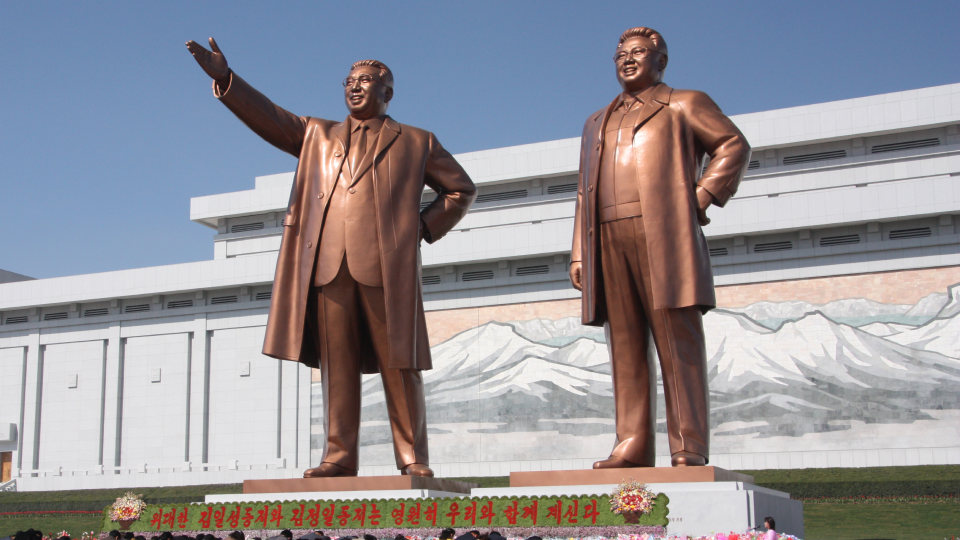
Photo credit: Kim Won Jin/ AFP via Getty Images
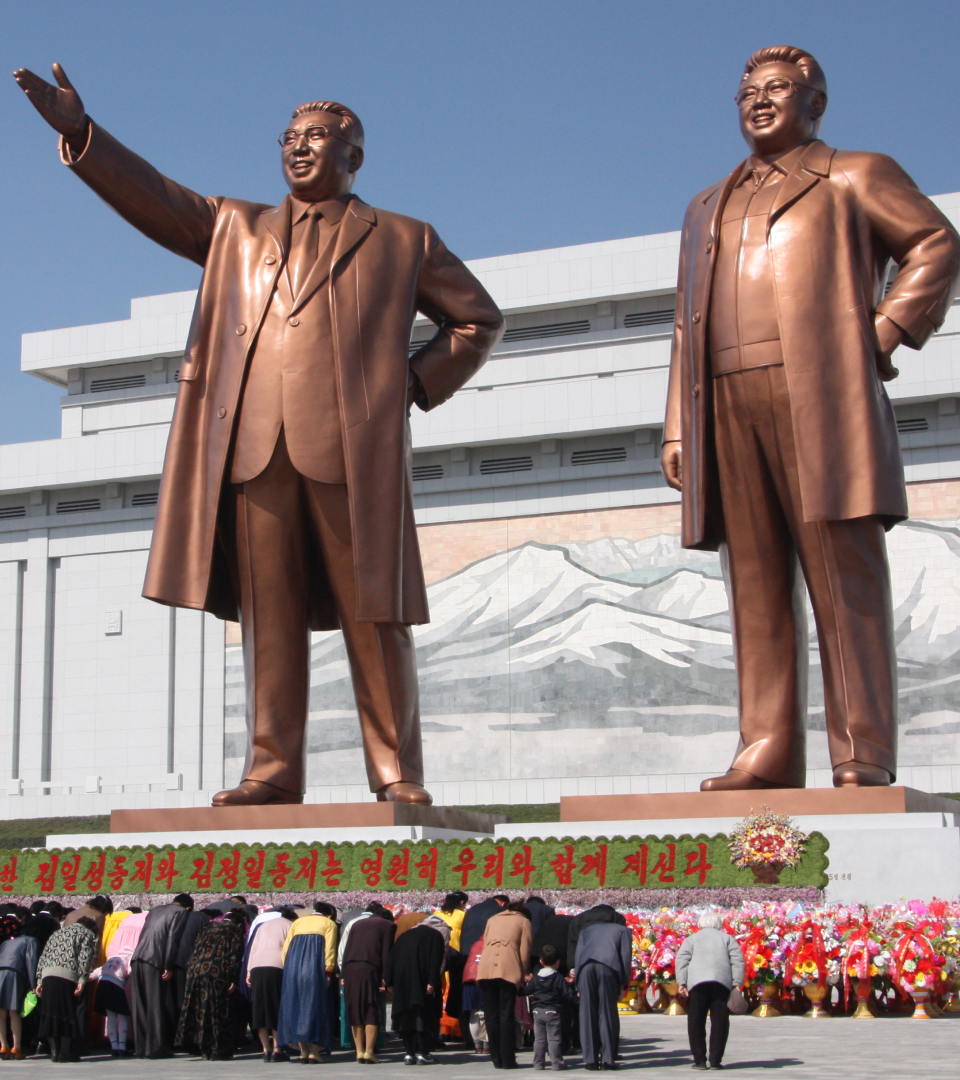
Photo credit: Kim Won Jin/ AFP via Getty Images
Azerbaijan - Overall status: 🔴 Not Committed
Ruled by the authoritarian regime of President Ilham Aliyev, places its emphasis on the “Prosperity” SDGs and uses large-scale infrastructure projects to showcase progress while reinforcing the corruption that underpins its political system. At the same time, the regime neglects the rest of the SDG agenda, especially those goals related to human rights, justice, and environmental protection. Although a general framework for SDG implementation exists, the state’s engagement remains uneven and selective. Persistent discrimination, environmental harm, and widespread repression reveal deep gaps in policy and practice, directly contradicting the core principles of the SDGs.
- 🟠 Framework
SDGs
- 🟠 People
- 🔴 Planet
- 🔴 Prosperity
- 🔴 Peace
- 🔴 Partnerships
Belarus - Overall status: 🔴 Not Committed
- 🟠 Framework
SDGs
- 🟠 People
- 🟠 Planet
- 🔴 Prosperity
- 🔴 Peace
- 🔴 Partnerships
China - Overall status: 🟠 Committed
Ruled by the Chinese Communist Party under President Xi Jinping, engages with the SDGs in a highly selective way that aligns closely with regime priorities. While the regime incorporates SDG language into national development plans and introduces policies across the “People,” “Planet,” and “Prosperity” SDGs, many of these initiatives rely on coercive implementation, weak oversight, or mechanisms that extend state control rather than promote genuine well-being. Environmental programs are often accompanied by strict social controls, poverty-alleviation measures have been linked to coerced labor transfers, and green development projects are implemented alongside relocations and intensified surveillance, directly contradicting “Peace” and “Partnerships” SDGs.
- 🟢 Framework
SDGs
- 🟠 People
- 🟠 Planet
- 🟠 Prosperity
- 🔴 Peace
- 🔴 Partnerships
Iran - Overall status: 🔴 Not Committed
Ruled by the authoritarian theocratic regime of Supreme Leader Mojtaba Khamenei, is formally engaged with the SDGs but demonstrates limited genuine commitment, shaped by ideological red lines and entrenched institutional dysfunction. While the regime has created coordinating bodies and incorporated some SDG themes into its Five-Year Development Plans, implementation across the “People,” “Planet,” and “Prosperity” pillars is weak, narrow in scope, and frequently undermined by corruption, mismanagement, and systemic discrimination. Moreover, severe human rights abuses, including the violent suppression of dissent, the targeting of women and girls, and the persecution of religious and ethnic minorities, directly contradict the “Peace” and “Partnership” SDGs.
- 🟠 Framework
SDGs
- 🔴 People
- 🔴 Planet
- 🔴 Prosperity
- 🔴 Peace
- 🔴 Partnerships
North Korea - Overall status: 🔴 Not Committed
- 🟠 Framework
SDGs
- 🔴 People
- 🔴 Planet
- 🔴 Prosperity
- 🔴 Peace
- 🔴 Partnerships
Nicaragua - Overall status: 🔴 Not Committed
- 🟠 Framework
SDGs
- 🔴 People
- 🔴 Planet
- 🔴 Prosperity
- 🔴 Peace
- 🔴 Partnerships
Russia - Overall status: 🔴 Not Committed
Ruled by the regime of President Vladimir Putin, is selectively engaged with the SDGs in ways that primarily serve regime preservation rather than genuine sustainable development. Although the regime has announced commitments across the “People,” “Planet,” and “Prosperity” pillars, these measures are consistently weakened by poor implementation, inadequate funding, and policies that openly contradict their stated aims. The “Peace” and “Partnership” SDGs are effectively disregarded, as the state continues to adopt repressive legislation that criminalizes dissent, restricts independent activity, and eliminates public accountability. The full-scale invasion of Ukraine represents one of the most severe violations of the SDGs globally, destroying the foundations of peace, causing widespread civilian harm, and diverting enormous state resources toward war and repression.
- 🟠 Framework
SDGs
- 🔴 People
- 🔴 Planet
- 🟠 Prosperity
- 🔴 Peace
- 🔴 Partnerships
Saudi Arabia - Overall status: 🟠 Selectively Committed
- 🟠 Framework
SDGs
- 🟠 People
- 🟠 Planet
- 🟠 Prosperity
- 🔴 Peace
- 🔴 Partnerships
Venezuela - Overall status: 🔴 Not Committed
Ruled by the regime of Nicolás Maduro, demonstrates one of the steepest declines in SDG compliance. Although the regime formally endorses the Goals, its policies show little genuine commitment across any of the SDG pillars. The regime pushes forward extractive projects that disregard environmental protections, violate Indigenous rights, and exclude affected communities from decision-making. Endemic corruption has severely weakened public institutions and diverted billions of dollars away from essential services, leaving most SDG commitments hollow, unimplemented, and disconnected from the realities of deepening poverty, state repression, and institutional collapse.
- 🟠 Framework
SDGs
- 🔴 People
- 🔴 Planet
- 🔴 Prosperity
- 🔴 Peace
- 🔴 Partnerships
How Do Autocrats Manipulate the SDGs?
The items below provide an overview of the ways authoritarian regimes manipulate the SDGs, organized into the four categories used throughout the study:
Repression
Refers to the use of SDG language to justify harassment and the suppression of dissent, both domestically and abroad.
Co-optation
Indicates that regimes use SDG narratives to draw domestic groups or international partners into cooperation that ultimately reinforces state control.
Propaganda
Refers to the use of SDG branding to project an image of progress while restricting or discrediting independent information.
Legitimation
Indicates that a regime invokes SDG commitments to manipulate procedures, deflect criticism, and present their rule as lawful and aligned with global norms.
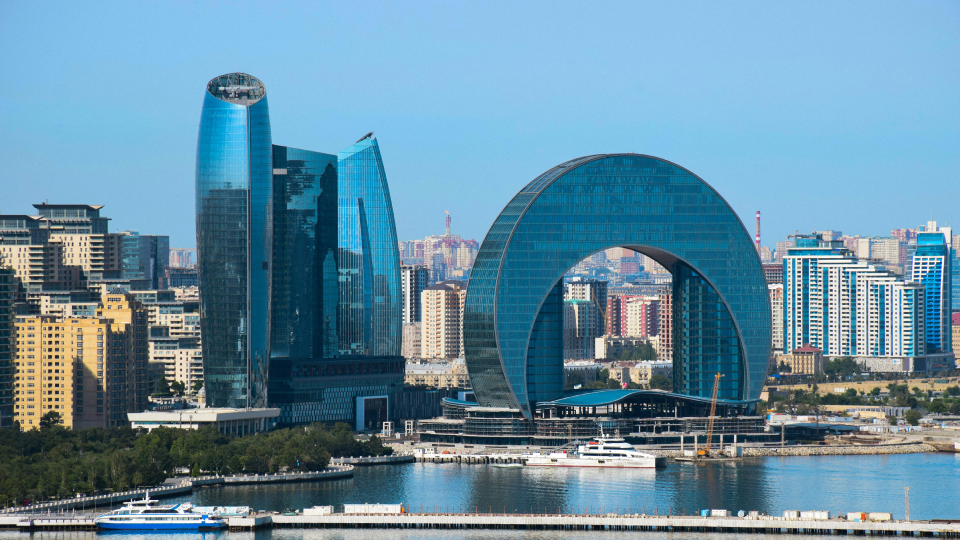
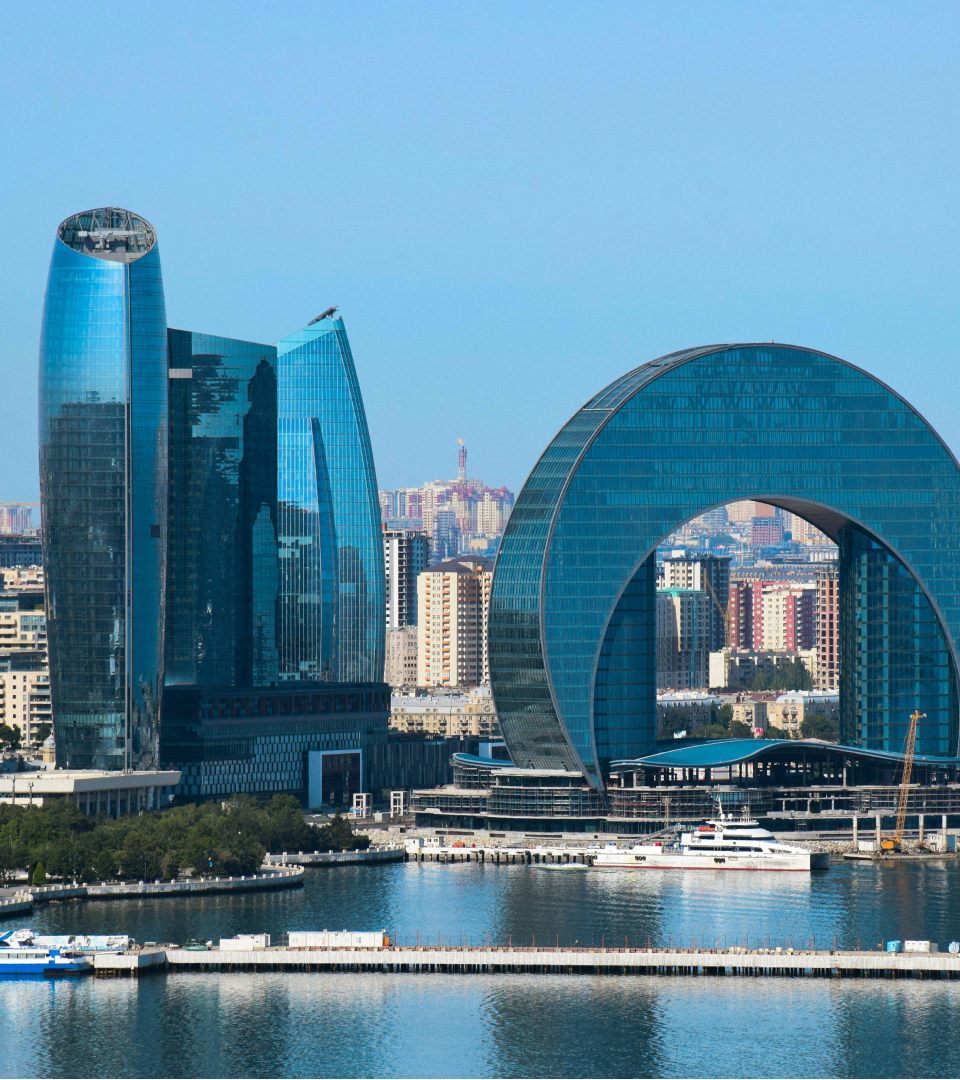
Baku, Azerbaijan
🇦🇿 Azerbaijan - 3 SDG Manipulations
Manipulates the SDG agenda to advance regime interests rather than genuine development. The regime uses SDG rhetoric to deflect criticism of widespread human rights abuses and to legitimize its actions in Nagorno-Karabakh, presenting occupation and reconstruction as SDG-aligned “development”. By promoting greenwashed projects that mask cultural erasure, demographic engineering, and ongoing repression, the regime transforms the SDGs into a political instrument aimed at consolidating control instead of serving as a framework for sustainable and inclusive progress.
- Repression
- Propaganda
- Legitimation
🇧🇾 Belarus - 3 SDG Manipulations
Manipulates the SDGs to conceal state abuses and reinforce its own legitimacy. The regime selectively promotes isolated achievements to polish its international image and argue for sanctions relief, while ignoring the realities of political imprisonment, the suppression of civil society, and the dismantling of independent institutions. It also uses SDG-branded programs to co-opt young people interested in sustainability, bringing them into state-controlled structures that prioritize loyalty over meaningful civic participation. At the same time, state media heavily advertises these initiatives as SDG successes, creating a manufactured narrative of progress that obscures widespread repression and directly contradicts the core principles of the SDGs.
- Co-optation
- Propaganda
- Legitimation
🇨🇳 China - 3 SDG Manipulations
Uses SDG-related achievements to bolster international legitimacy and deflect criticism of human rights abuses. State-controlled media highlight selective successes and present them as evidence of effective and benevolent state leadership. On the global stage, China embeds SDG branding into various cooperation initiatives, using development language to expand influence, create strategic dependencies, and frame itself as an indispensable partner. In doing so, the regime deploys the SDG framework as a tool of propaganda, foreign policy, and soft power.
- Repression
- Co-optation
- Legitimation
🇮🇷 Iran - 1 SDG Manipulation
Manipulates the SDG framework to advance regime interests rather than genuine human development. In international forums, the regime cites its SDG commitments to deflect accountability and shift blame, portraying external pressures, particularly sanctions, as the primary obstacle to progress while ignoring the impact of domestic repression, corruption, and discrimination.
- Legitimation
🇰🇵 North Korea - 2 SDG Manipulations
Manipulates the SDGs to reinforce its legitimacy and reshape global narratives in its favor. The regime uses SDG language to blame sanctions for domestic governance failures, deflect responsibility for decades of internal repression, and present its authoritarian system as a legitimate development model aligned with the Goals. By redefining concepts such as peace as the “consolidation of the socialist system” and limiting partnerships to politically aligned states, the regime strips the SDGs of their rights-based foundations. In doing so, it employs the framework to justify repression, cultivate external sympathy, and shield itself from international accountability.
- Repression
- Legitimation
🇳🇮 Nicaragua - 1 SDG Manipulation
Uses the SDGs as a tool for political manipulation and international legitimation. In global forums, the regime selectively promotes minor development gains while blaming shortcomings on international sanctions, thereby deflecting responsibility for widespread repression, corruption, and institutional decay. By presenting itself as a victim of external pressure rather than an authoritarian regime undermining its own sustainability efforts, it turns the SDGs into a shield against criticism and a platform for seeking sanctions relief, rather than a genuine roadmap for sustainable and inclusive development.
- Legitimation
🇷🇺 Russia - 3 SDG Manipulations
Actively manipulates the SDG framework to bolster its geopolitical narratives and legitimize its actions. The regime uses SDG rhetoric to deflect responsibility for its governance failures, claiming that foreign sanctions, imposed as a consequence of its aggression, are the main obstacles to SDG progress. Domestically and regionally, the regime uses SDG-themed messaging to cultivate loyalty among youth groups, and present its regional influence as development cooperation.
- Co-optation
- Propaganda
- Legitimation
🇸🇦 Saudi Arabia - 1 SDG Manipulation
Actively manipulates the SDGs to strengthen its international image and political legitimacy. The regime selectively highlights sustainability initiatives in global forums, sponsors SDG-branded events, and advertises its work with various UN agencies, presenting itself as a modernizing and responsible state. This messaging diverts attention from severe rights abuses and systemic repression at home. In practice, the Kingdom uses the SDGs as a soft-power instrument to elevate its global standing and reinforce regime authority, while undermining the very principles of transparency, inclusion, and human rights that the SDGs are meant to uphold.
- Legitimation
🇻🇪 Venezuela - 1 SDG Manipulation
Manipulates the SDG framework to reinforce its control. State propaganda uses SDG language to recast the country’s crises as the result of external pressure, and the regime increasingly treats the SDGs as a bargaining chip in negotiations over sanctions, presenting cooperation on development as something to be exchanged for political concessions. Meanwhile, development funds are mismanaged or siphoned off, and laws that criminalize humanitarian aid and silence dissent further undermine the principles of sustainable development.
- Legitimation
Recommendations
To address the identified problems under the current SDG framework and prevent similar abuses in any post-2030 framework, the report offers the following recommendations for civil society, democratic countries, and international organizations.
Recommendation 1: Revise Current SDG Measurement Frameworks to Reflect the Central Role of Human Rights and Democracy
The Problem
The current SDG Index evaluates countries using technical indicators but overlooks democracy and human rights. These are core to meaningful, long-term sustainable development and integral to all 17 SDGs.
Why It Matters
What Needs To Change
Recommendation 2: Reevaluate SDG Engagement With Authoritarian Regimes
The Problem
Authoritarian regimes use the SDGs and SDG-branded initiatives not to advance progress but to expand repression, promote state propaganda, co-opt participants, and gain international legitimacy. These efforts include multilateral partnerships, high-level forums, public diplomacy programs, and development cooperation projects that are presented as aligned with the SDGs but serve authoritarian interests. Democratic states often join these initiatives, unintentionally reinforcing autocratic narratives and abuses.
Why It Matters
What Needs To Change
Recommendation 3: Condemn and Hold Accountable Regimes That Manipulate the SDGs
The Problem
The 17 SDGs have no meaningful oversight or enforcement mechanisms. This allows authoritarian regimes to ignore or manipulate their commitments without consequence. Many autocratic regimes not only fail to meet the Goals but actively violate them through repression, corruption, environmental harm, and the deliberate weakening of public institutions.
Why It Matters
What Needs To Change
Recommendation 4: Ensure the Post-2030 Framework Affirms That Sustainable Development Depends on Human Rights and Democratic Governance
The Problem
Why It Matters
What Needs To Change
Any post-2030 global development framework that succeeds the SDGs must place human rights and democratic governance at its core. This requires:
- Clearly defining how sustainable development depends on human rights and democracy.
- Establishing a standalone goal with targets on democratic governance and human rights.
- Anchoring the framework in foundational documents such as the Universal Declaration of Human Rights.
- Integrating rights- and governance-based indicators across all goals, including equality, access to justice, civic participation, anti-corruption, institutional accountability, and open government.
Recommendation 5: Replace Voluntary Reporting With Mandatory, Periodic, Independently Reviewed Submissions in the Post-2030 Framework
The Problem
Why It Matters
What Needs To Change
The post-2030 development framework must introduce stronger, clearer, and enforceable accountability mechanisms. This should include:
- Mandatory, regularly scheduled reporting reviewed by independent bodies.
- Independent verification of data and progress, replacing self-reporting.
- Linking genuine implementation to concrete benefits, such as development aid or trade preferences.
- Clear participation standards to ensure only verified, good-faith efforts receive international recognition.