

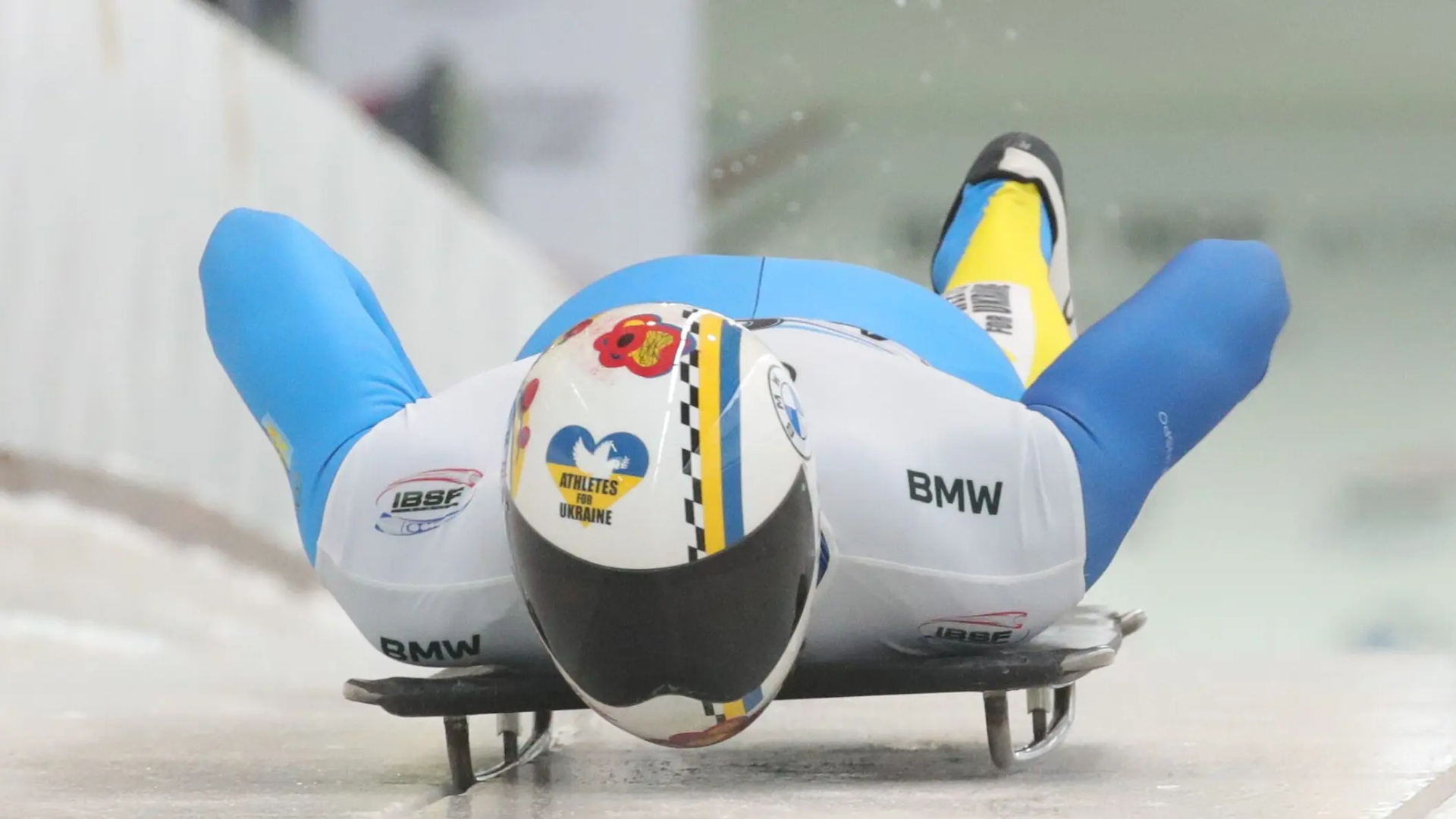
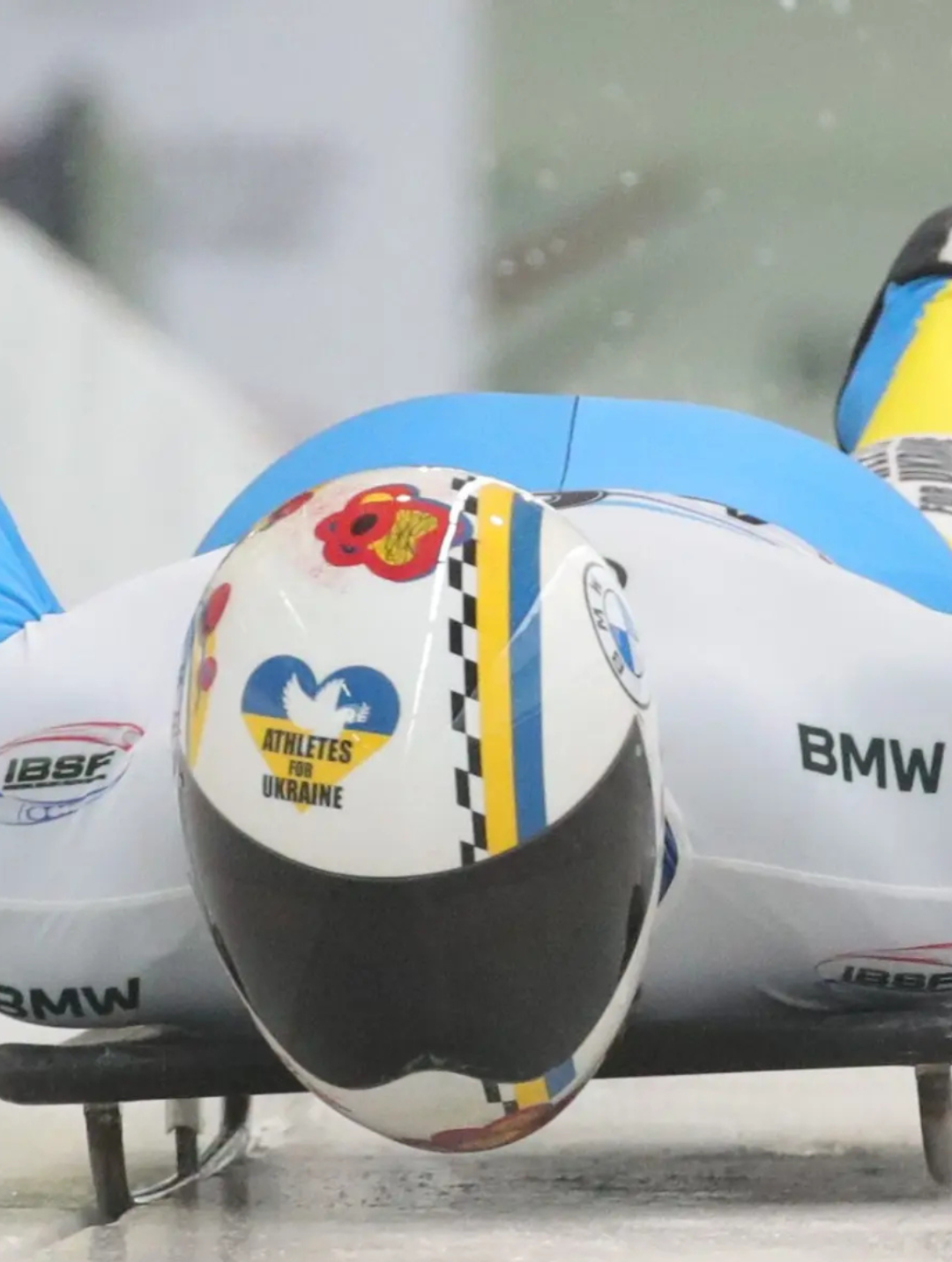


When the Ukrainian skeleton athlete Vladyslav Heraskevych risked disqualification for wearing a helmet displaying the faces of more than 20 Ukrainian athletes and coaches killed in the war during this year’s Olympics, it became clear: even sports equipment has become political.
Across Ukraine, sports clubs and training facilities have been destroyed, closed, or relocated. Many athletes have ended their careers in order to enlist and defend their country.
On the international sporting stage, Ukrainian athletes also testify to a national identity strong enough to endure war — and all the endless suffering that comes with it.
In January, Ukrainian goalkeeper Anatoliy Trubin, originally from the Donetsk region, helped lead SL Benfica to the knockout stage of the 2025–2026 UEFA Champions League. He dedicated the victory to Ukraine.
The gesture resonates far beyond the football pitch.
When Heraskevych appeared at the start line with the faces of fallen Ukrainian athletes and coaches on his helmet, it was more than a personal statement. It was also a reminder of what sport represents in a country at war: a memory of those who can no longer compete.
Eleven-year-old Roman Oleksiv has chosen to continue dancing, despite visible burn scars from a Russian airstrike in July 2022 that killed his mother and 27 others. During the countless power outages, world champion Lika Dikaya and her dance partner Igor Reznik light up the dance floor with flashlights as their students spin across it.
At this year’s Winter Olympics in Milan and Cortina d’Ampezzo, Ukraine sent a delegation of 46 athletes competing in eleven sports — the country’s largest Winter Olympic team since Vancouver in 2010.
Boxer Oleksandr Usyk, the undisputed heavyweight world champion, competes in traditional dress and dedicates his victories to Ukraine.
Sport has become a reminder of the freedom the country is waiting for. On the football pitch, on the dance floor, and in the boxing ring, Ukrainians reinforce the shared identity that Moscow is so determined to erase.
It is a quiet act of defiance against Vladimir Putin’s war on Ukraine, where attacks on the country’s energy infrastructure are yet another attempt to dim the courage and resolve of its people.
At the same time, another game is being played: Putin’s next move is to wager that the democracies surrounding Ukraine will lose their endurance. Strength and endurance are not inexhaustible resources. The question now is whether Europe will continue to provide the necessary political and material support.
To allow Ukraine’s lights to go out — both literally and figuratively — would be a betrayal of the coaches, athletes, and children that the allies have promised us they will protect.
While international leaders and European allies debate war fatigue after four years of war, children in the city of Cherkasy chase a football across the pitch.
When the field goes dark during power outages, the children’s mothers and fathers do what Norwegian parents would do as well: they line their cars along the sidelines and switch on their headlights. In the glow of the cars, the pitch is reclaimed: The children keep dribbling.