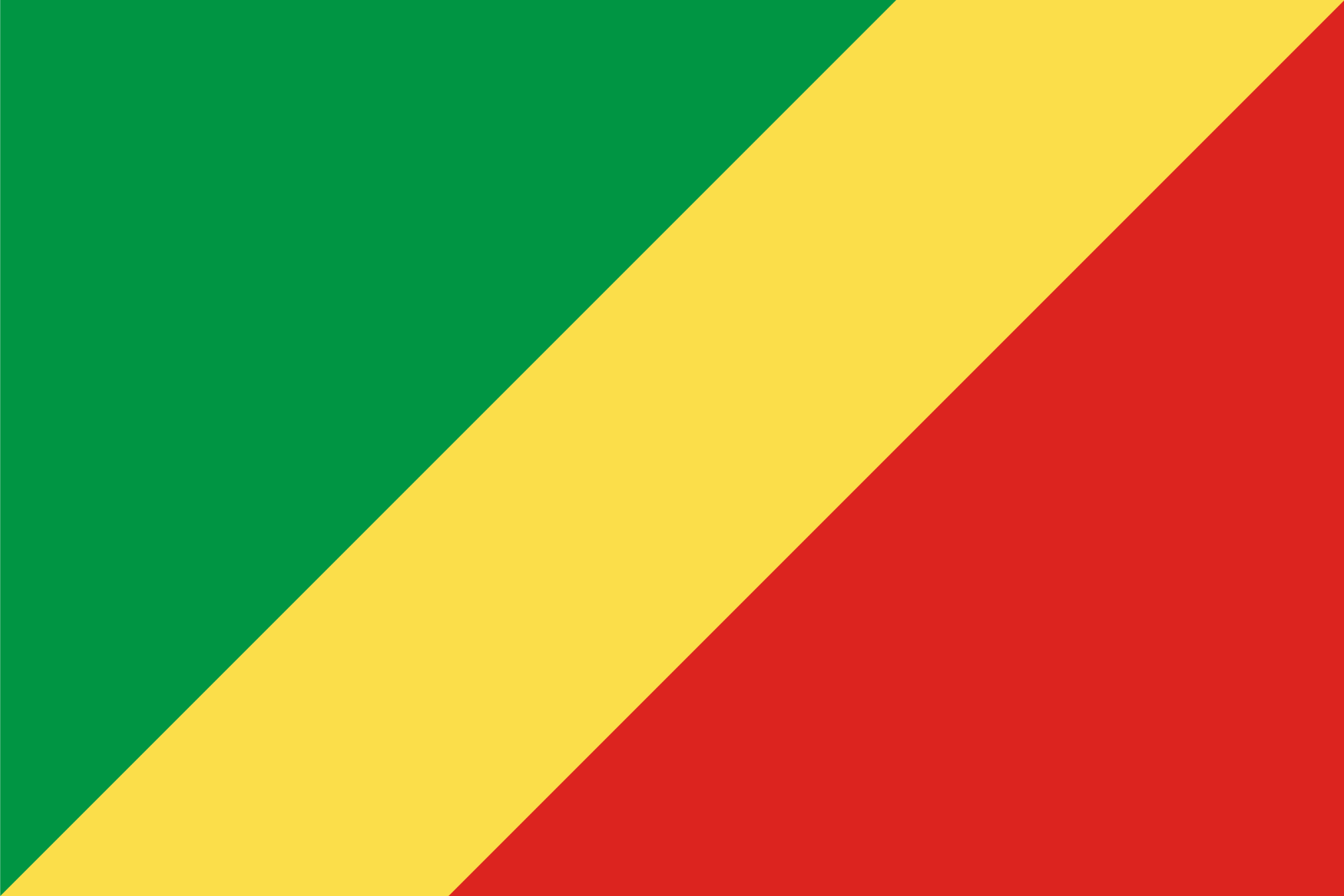
HRF classifies the Republic of Congo as ruled by a fully authoritarian regime.
The Republic of Congo functions as a republic with a semi-presidential system of government. Denis Sassou-Nguesso is the current head of state, having been declared the winner of the controversial 2021 presidential election. This election was marred by the death of his main rival on election day, the disqualification of key opposition candidates, widespread irregularities—including an internet shutdown—and the dismissal of legal challenges by the opposition. Since gaining independence in 1960, the Republic of Congo has experienced only one democratic transition in 1992, which was short-lived due to Sassou-Nguesso’s return to power following the civil war in 1997. Since then, he has maintained an uninterrupted grip on leadership, creating an uneven electoral playing field that favors his regime in every presidential election. To further strengthen his power, he pushed through a constitutional amendment in 2015 that removed term limits, allowing him to run indefinitely. Sassou-Nguesso’s regime relies on a complex patronage system in which oil revenues are redistributed among a clan-based and military elite, leading to widespread corruption and depriving the general population of essential services. His hold on power is sustained through systematic repression: the regime bans demonstrations, harasses or imprisons dissenters within civil society, and routinely manipulates electoral processes to ensure the ruling party remains in control.
Key Highlights
Elections are a sham, to the point where the real, mainstream political opposition does not have a realistic chance to meaningfully compete and possibly win. The Sassou-Nguesso regime has secured its victory in every presidential election since 2002 by systematically undermining the opposition through judicial harassment and prosecution. This often leads candidates to boycott the elections in protest against the unequal electoral playing field they face. Additionally, the regime engages in widespread electoral irregularities, which sometimes include shutting down the internet on election day.
Independent media, political leaders, civil society leaders, organizations, and members of the general public face overt and systematic retaliation if they openly criticize or challenge the regime. Political leaders who criticize the regime are subjected to arbitrary arrests and imprisonment. Local human rights organizations are often targeted by state intelligence services, leading to break-ins at their offices, theft of materials, and interference with their investigations by regime officials. Additionally, the regime systematically censors any discourse that criticizes the president, senior officials, or addresses the mismanagement of the country. Finally, peaceful demonstrations are suppressed through denial of permits, use of force, and arrests of protesters.
Institutions largely fail to act as independent checks on the regime. In electoral matters, courts systematically side with the regime, validating election results despite widespread reports of irregularities and denying the opposition’s attempts to file legal challenges. Regime officials engage in human rights violations and embezzlement but do not face legal repercussions from state institutions, leading to a culture of impunity. Additionally, legislative institutions lack independence from the executive branch, as they are dominated by the ruling party’s representatives.