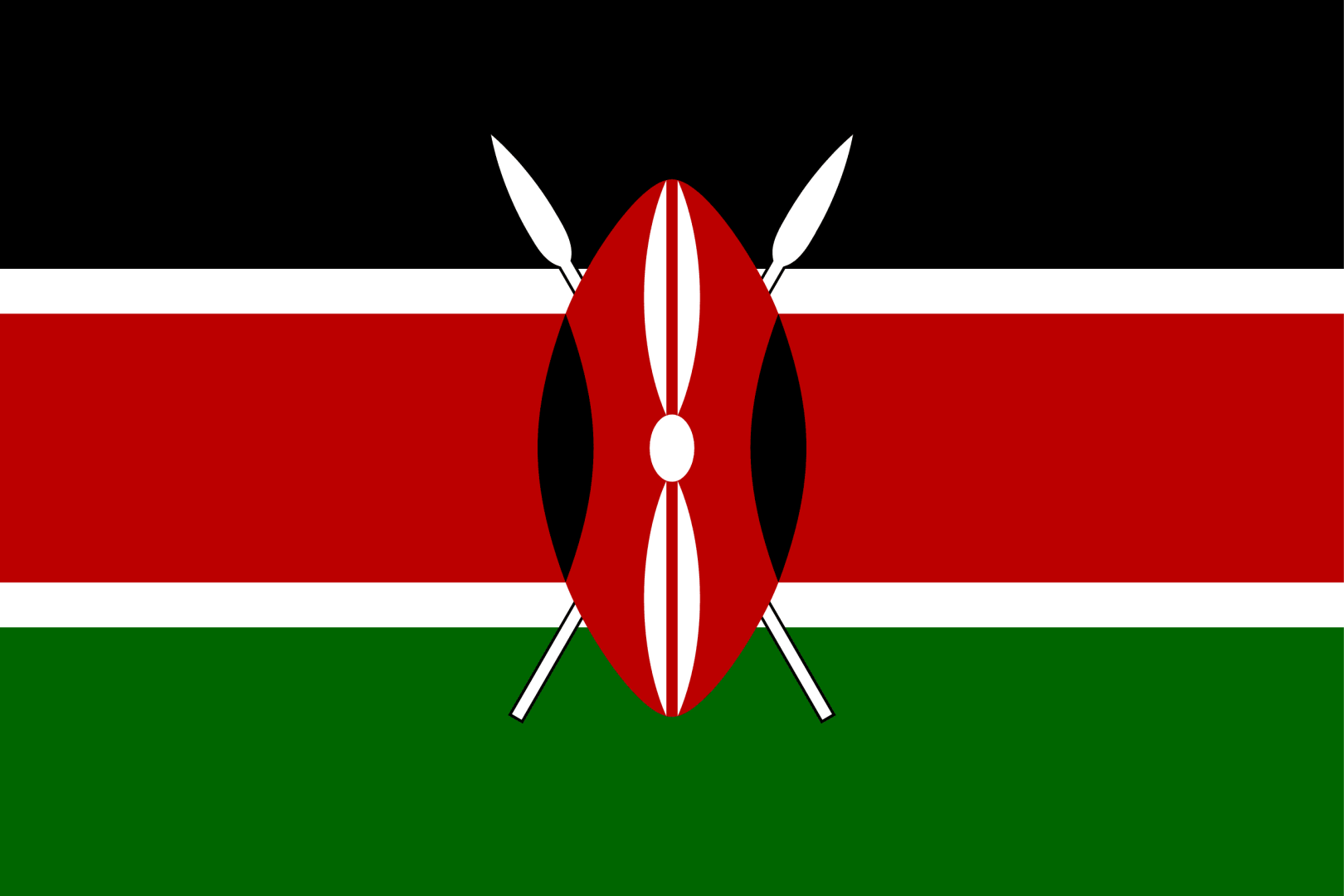
HRF classifies Kenya as ruled by a hybrid authoritarian regime.
Kenya is a presidential republic. The Head of State, William Ruto, was elected in the 2022 elections, but has intensified authoritarian practices and repression of his predecessor, Uhuru Kenyatta, significantly undermining and reversing strides in democracy. Kenya gained independence from Britain in 1963 under the leadership of the Kenya African National Union (KANU), which ruled the country until 2002. The country’s democratization began in 1991 with competitive elections, the emergence of a vibrant independent media and civil society, and deepened with the adoption in 2010 of a new constitution with the country’s first-ever bill of rights and provisions strengthening the independence of the judiciary and election oversight. Since then, however, Ruto and, previously, Kenyatta have steered Kenya towards authoritarianism.
Key Highlights
National elections are largely free and fair. The regime does not unfairly bar the real, mainstream opposition from competing in elections. Since the first multi-party elections in 1992, Kenya has experienced seven competitive general election cycles, with the opposition defeating incumbents in 2002 and 2022. However, allegations of vote rigging in the 2007 and 2017 polls led to grievous post-electoral crises marked by bloody violence in the former and an annulment of the results and a revote boycotted by the opposition in the latter. The election oversight body established under the 2010 constitution, the Independent Electoral and Boundaries Commission (IEBC), has faced persisting mistrust over its integrity. In each election cycle since the IEBC’s inception, the real, mainstream opposition has petitioned the Supreme Court to challenge official IEBC results.
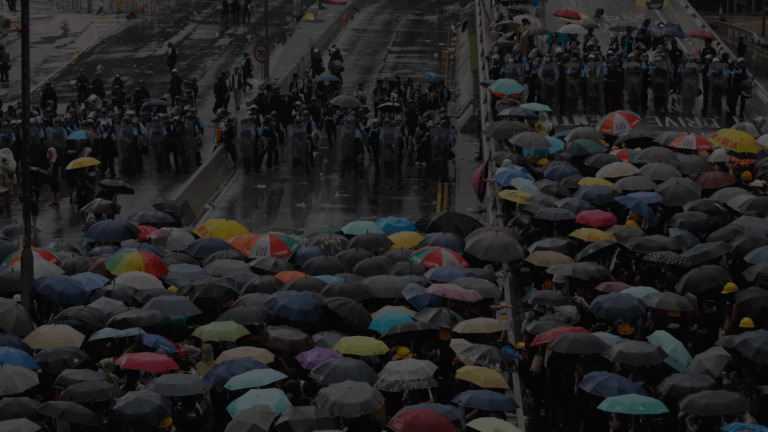
Independent media, political leaders, organizations, and regular people are seriously and unfairly hindered in their ability to openly criticize or challenge the regime. While Kenya has a vibrant independent press, civil society, and an outspoken citizenry, the regime and non-state actors with ties to it seriously and unfairly repress dissenting protests against its most prominent and widely publicized policies. The regime has killed and forcibly disappeared dissidents and engaged in or enabled transnational repression against foreign dissidents on its territory.
Institutions are somewhat independent but frequently constrained by the regime. Although courts have frequently ruled against the regime’s arbitrary and unconstitutional abuses and policies, their rulings have been systematically ignored by the executive, which has furthermore sought to intimidate the judiciary and undermine its independence.