Elections in Iran are a sham, to the point where the real, mainstream political opposition does not have a realistic chance to meaningfully compete and possibly win. The regime unfairly bars presidential and parliamentary candidates from competing in elections, which are marred by the lack of independent electoral supervision, ballot stuffing, voter intimidation, and other irregularities.
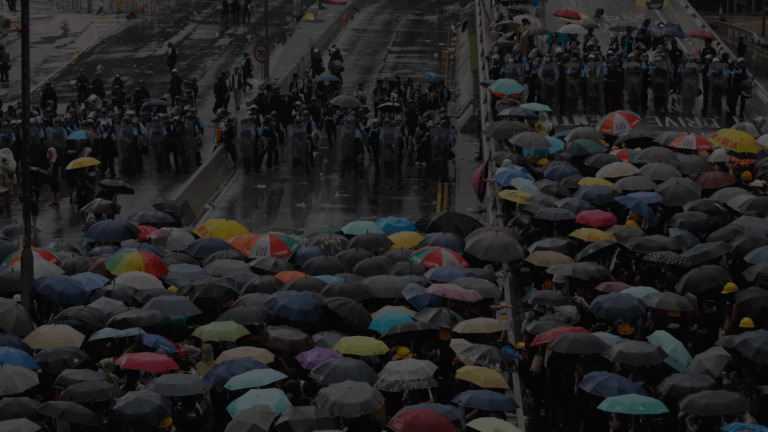
Independent media, political leaders, civil society leaders, organizations, and regular people face overt and systematic retaliation if they openly criticize or challenge the regime. The regime monopolizes domestic and radio television services, closes independent media outlets, and intimidates dissidents and journalists who criticize the regime’s policies. The regime has responded to protests violently and suppressed dissent through a number of tactics, including executions, arbitrary detention, and judicial harassment, contributing to an environment where critical expression is virtually impossible. The regime has also aimed to delegitimize and incapacitate civil society organizations that promote human rights and political reform. This pressure results in a significant chilling effect, where potential dissenters weigh personal safety against civic engagement, often leading to a retreat from public life.
Institutions largely fail to serve as independent checks on the regime. The Iranian regime has systematically co-opted the judiciary, legislature, and executive institutions to consolidate and maintain its authoritarian rule. The Supreme Leader appoints and can dismiss the Chief Justice of Iran, who is the highest judge of the Supreme Court and administers and supervises the judiciary branch. Judicial proceedings are often marked by a lack of transparency, arbitrary detentions, inadequate legal representation, and confessions under torture. The practice of holding secret trials, in particular by the specialized Revolutionary Courts, serves to further diminish any semblance of judicial fairness, ensuring that dissenting voices are silenced swiftly and without due process. The Islamic Consultative Assembly is elected through a process that is tightly controlled by the regime, with many opposition candidates disqualified by the Guardian Council, which is dominated by regime loyalists. The Guardian Council, appointed by the Supreme Leader and the judiciary, vets candidates and can veto legislation, effectively ensuring that laws align with the regime’s ideological framework. The Guardian Council is empowered to supervise elections and to approve or disqualify candidates seeking to run in local, parliamentary, or presidential elections – this ensures candidates are fully aligned with the regime, and institutions are fully coopted, as a result.