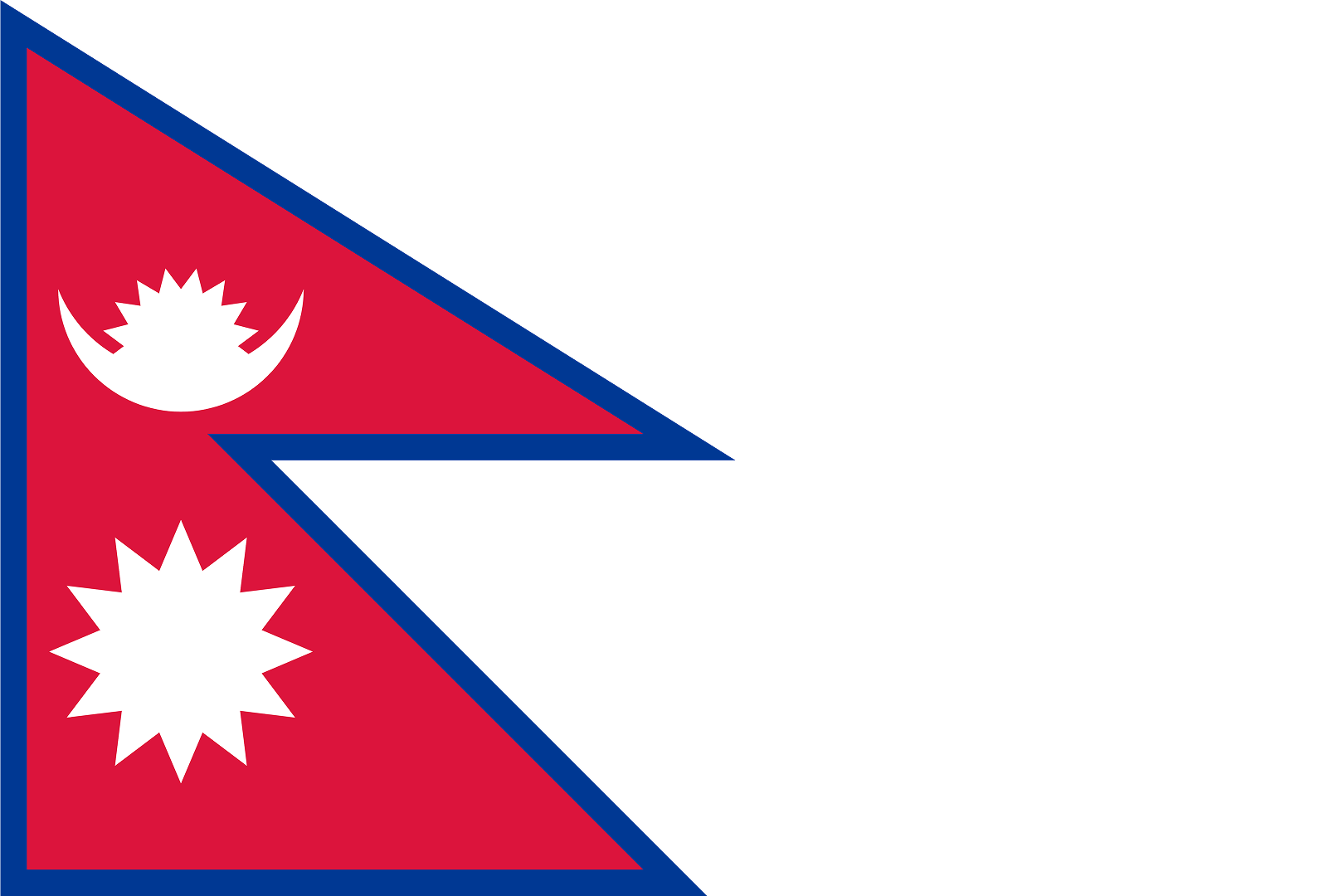
Nepal underwent a decade-long armed conflict, which ended in 2006. Two years later, it abolished the constitutional monarchy and became a federal republic. While it is steadily transitioning to a democracy, Nepal continues to be mired in political instability that has resulted in 14 different governments in the past 17 years as of 2025. In September 2025, this pattern continued as Prime Minister K.P. Sharma Oli resigned following the “Gen-Z protests” that erupted from Kathmandu, led by youth and student groups protesting against the widespread corruption of the government and economic turmoil across the country. Currently, an interim transition government led by former Chief Justice Sushila Karki governs Nepal until its upcoming democratic elections in March 2026.
Key Highlights
National elections are largely free and fair. Nepal has approximately 80 active political parties at the national and local levels. However, only a handful of parties dominate electoral politics. These parties alternately win elections and often form coalitions among themselves to form a majority, despite fundamental differences in their ideologies and policies. The coalitions tend to be weak and prone to splitting up. The election management body, Election Commission (EC), has largely been able to carry out its functions without undue government interference and enforce election laws and regulations equally for all mainstream parties and candidates. Parties are able to campaign without significant government interference.
Independent media, civil society leaders, organizations, and regular people are seriously and unfairly hindered in their ability to openly criticize or challenge the regime. Nepal has a vibrant media landscape, and civil society is robust. However, the government has increasingly wielded vague speech laws to harass journalists and media workers for their critical reporting. In addition, independent media, civil society leaders, organizations, and regular people are seriously hindered in their ability to openly criticize or challenge the regime. Civil society tends to self-censor despite the absence of express restrictions on its activities. While dissenting and peaceful protests are common, the government forcefully quelled many of them and limited where they may take place. The government has proposed a series of new laws and regulations aimed at further censoring dissent online and offline, though some have not yet been ratified.
Institutions largely serve as independent checks on the government. Despite the prevalence of corruption among the judiciary, executive, and legislative ranks, these institutions have largely retained their independence. Courts have successfully barred the Election Commission from unfairly disqualifying an opposition candidate, thereby preserving electoral competition and taking legal action against government critics in the election season. They have also consistently thwarted attempts by the government and its proxies to intimidate critics through spurious lawsuits. Similarly, although conviction rates remain low once cases reach the courts, the Commission for the Investigation of Abuse of Authority (CIAA) serves as a key mechanism for government accountability in Nepal, filing approximately 200 corruption cases each fiscal year. However, judicial and independent institutional appointments remain vulnerable to executive overreach.