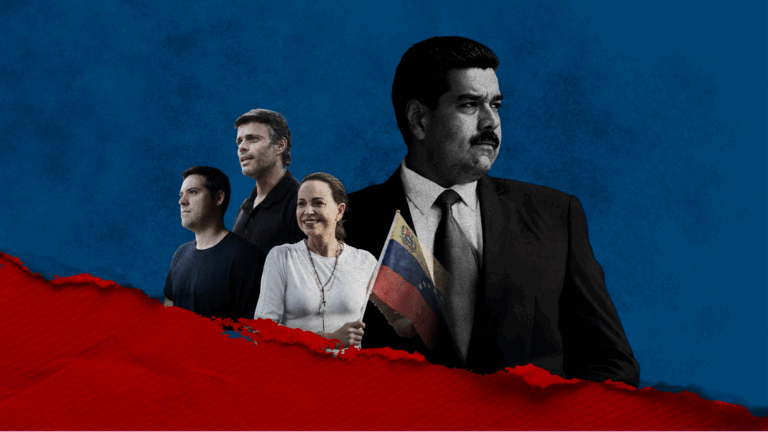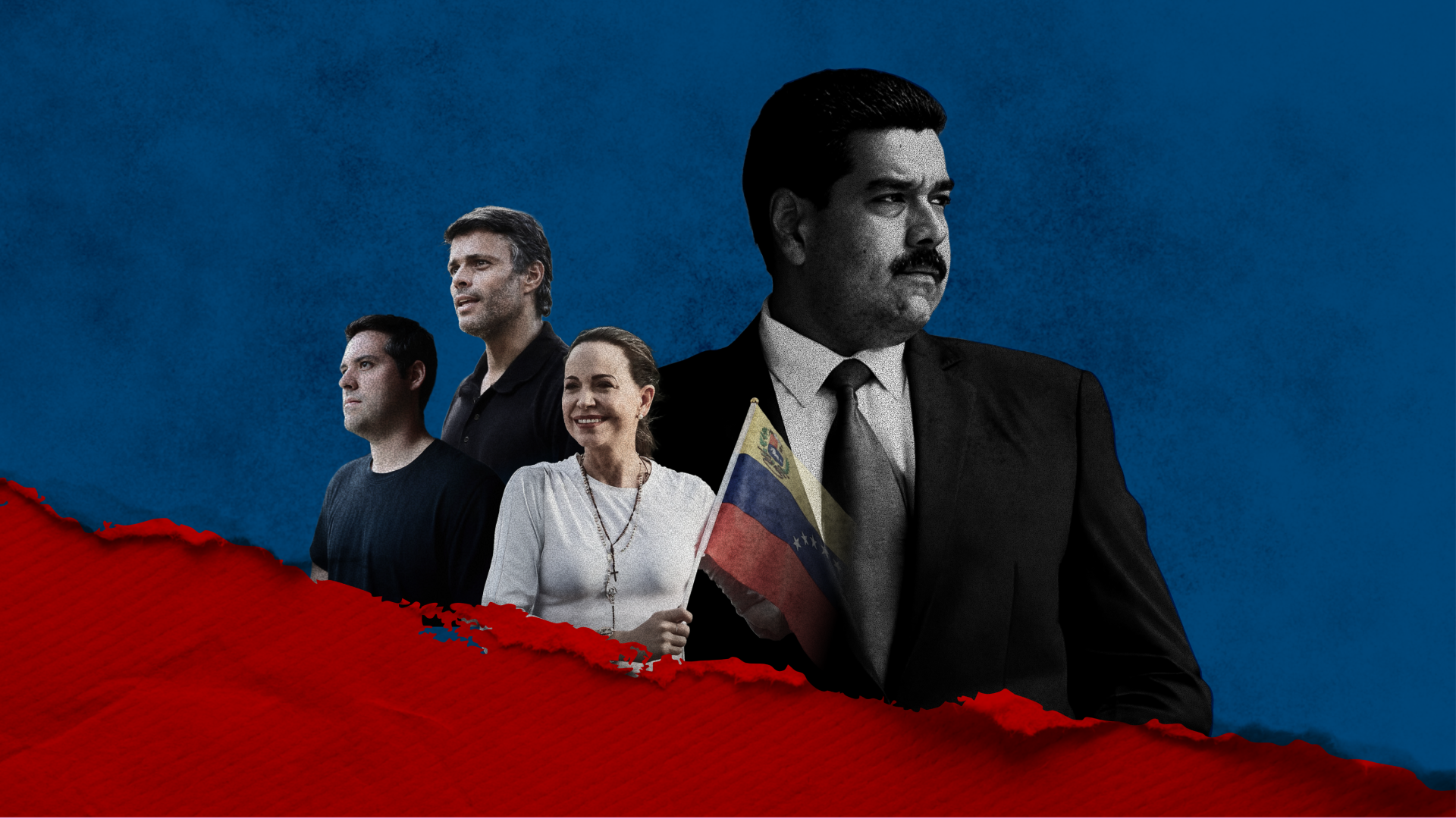
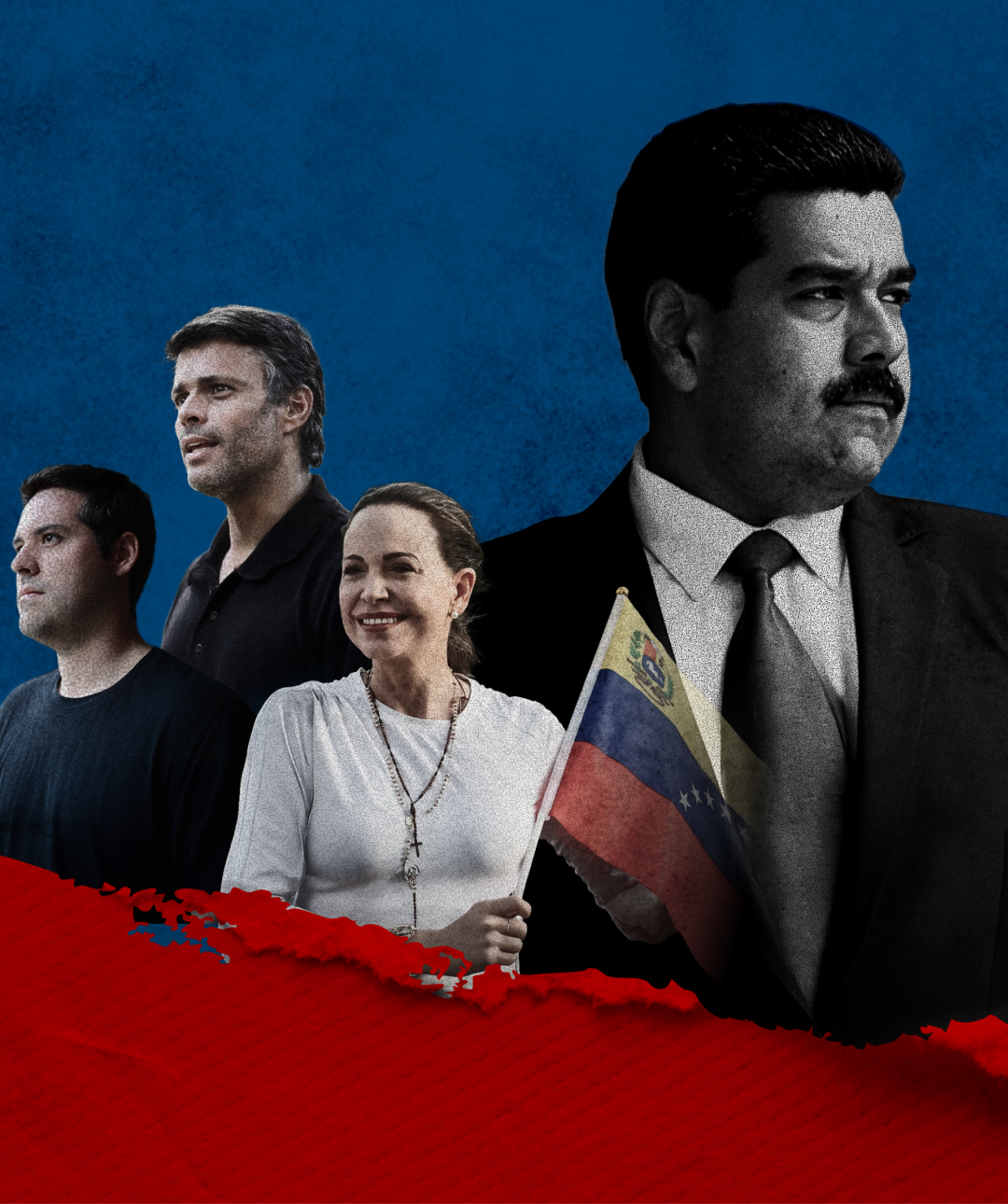
The announcement of Venezuelan opposition leader Maria Corina Machado as the recipient of the 2025 Nobel Peace Prize and rising tensions with the United States over allegations of state-sponsored drug-trafficking have focused the world on the brutality of Nicolás Maduro regime. Despite this attention, Maduro shows no signs of toning down his repression — in fact, he is finding new ways to crack down on dissent. Having driven many of the activists who oppose his dictatorship out of the country, Maduro now threatens to illegally strip them of their citizenship. First, the regime targeted opposition leader Leopoldo López; now, it’s moving against Yon Goicoechea — a pattern that reveals statelessness as the newest weapon of repression in the region.
Since 2023, the Ortega-Murillo regime in Nicaragua has revoked the nationality of more than 400 citizens, who would have remained stateless if not for Spain’s intervention. Now, Maduro wants to follow suit: last week, he filed an appeal before the Supreme Court to strip opposition figure Leopoldo Lopez of his citizenship. Lopez is one of Venezuela’s most prominent dissidents, leader of democratic opposition party Voluntad Popular, and a former political prisoner who spent years behind bars for organizing peaceful protests against Maduro’s regime. A similar process has been launched against Yon Goicoechea, a lawyer, human rights advocate, and fellow Voluntad Popular member who was also imprisoned for promoting nonviolence resistance under Hugo Chávez’s rule.
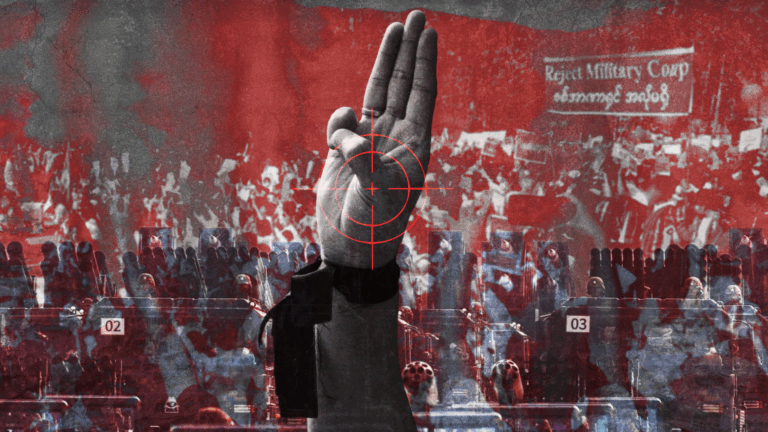
Statelessness is often described as civic death — the loss of legal capacity and recognition. It is unprecedented in modern Latin American history. The last time the world saw this tactic, it was under history’s worst totalitarian regimes: in 1926, when Mussolini’s fascist government passed a law against citizens that were “unworthy of Italian citizenship,” and in 1933, when Hitler’s Germany stripped recently naturalized Jewish citizens of theirs. In modern times, statelessness is usually synonymous with repressed minorities, as with the Rohingya in Myanmar — a tragedy many experts deem to be part of a genocide. Yet Ortega, Murillo, and now Maduro are reviving it as a tool of political persecution — one that conditions a person’s very sense of belonging to their own country on obedience to a tyranny.
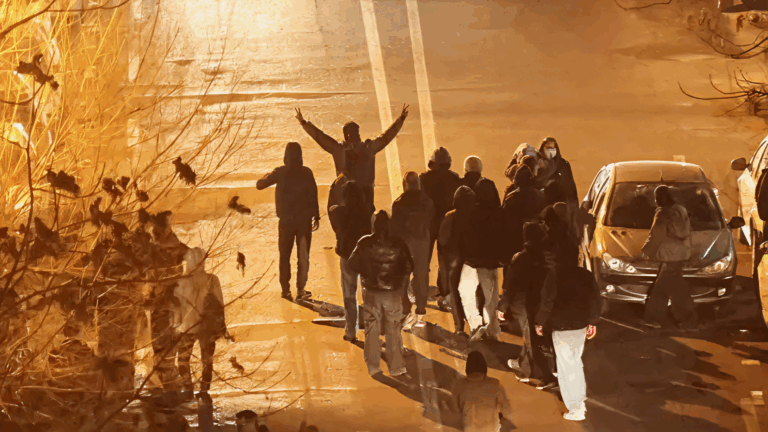
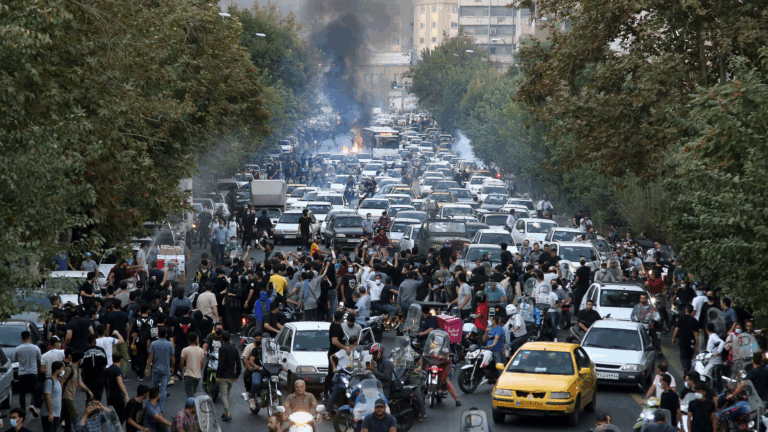
Dictatorships continue to reinvent themselves. While many still rely on traditional tools of repression, the global landscape is evolving — and authoritarian regimes try to evolve with it to survive. As international scrutiny intensifies, practices like arbitrary detention and enforced disappearances are no longer enough to sustain control. That is not to say that regimes don’t use these methods anymore, because they do — and systematically so. But today, when fully authoritarian governments like Cuba, Venezuela, or Nicaragua jail a critic, they are met with an avalanche of international condemnation. Even when regimes dominate national institutions, new technologies have allowed citizens unprecedented access to civil society — and that terrifies autocrats.
In an age when democracy and respect for human rights stand as universal benchmarks of legitimacy, dictators now operate under greater scrutiny than ever before. As a reaction, a new way to hold onto power emerged: autocrats don’t just silence dissent — they seek to erase it from existence.
Statelessness creates extreme vulnerability, blocking access to essentially every other right. It strips victims of the most fundamental democratic right — the right to vote — and denies them education, medical care, property, and freedom of movement. Civically and legally, a stateless person ceases to exist. It is the ultimate attack on human dignity.
The international community must treat the stripping of citizenship by authoritarian governments for what it is: a modern crime of extreme political persecution. The concern is two-fold. First, it violates international law — specifically Article 15 of the Universal Declaration of Human Rights. Second, it is a grave assault on human dignity, one that attacks the very foundation of what it means to be a dissident. Left unanswered, it could become a commonplace practice of the close to 95 authoritarian regimes existing in the world today, and mark an unprecedented blow to the global struggle for democracy and human rights.
Following the mass revocation of citizenship in February 2023 by the Ortega-Murillo regime, Spain took decisive action, granting nationality to 451 Nicaraguans — former political prisoners rendered stateless by Managua. These citizenships were expedited under Spain’s Carta de Naturaleza process, reserved for cases of “exceptional circumstances.” With 80 countries parties to the UN Convention on Statelessness, there is little excuse for other democracies not to follow Spain’s lead. The measure ensured that the victims of this merciless act of repression could regain their rights and legal identity, guaranteeing individual redress. Yet while Spain’s response sets an important precedent, it is not enough. Real, lasting change can only come from coordinated international pressure for Nicaragua’s democratization.
Some could argue that by granting citizenship to dissidents stripped of nationality, democratic governments play into dictator’s hands by allowing regimes to get rid of their critics. In reality, it gives dissidents the upper hand — they can now speak freely, without fear of reprisal. In the end, by trying to erase their opponents, it’s the autocrat who digs their own grave.
Democratic governments must decide whether to remain silent in the face of these violations, or to match authoritarian innovation with democratic resolve. Ortega and Murillo may have started a domino effect that Maduro is now eager to replicate — and it cannot be allowed to spread further. Spain’s swift action to protect the Nicaraguans stripped of citizenship set an example, but solidarity must not end there — targeted sanctions and coordinated response by civil society must follow.
The use of statelessness as a tool of authoritarian repression is a warning that dictators no longer need chains and cells – they can make a citizen disappear with the stroke of a pen. It is up to democratic forces to ensure that the new tools of tyranny pioneered in Nicaragua, and now echoed in Venezuela, don’t become a global trend.
Hit enter to search or ESC to close