HRF classifies Equatorial Guinea as ruled by a fully authoritarian regime.
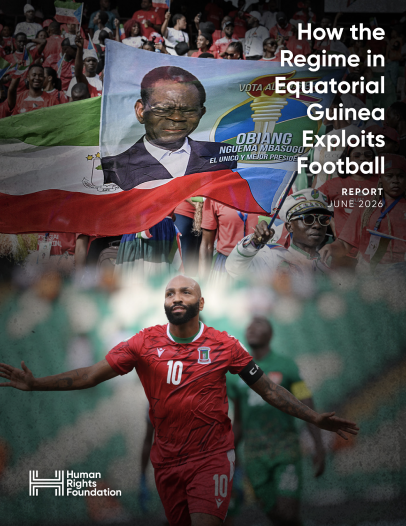
Equatorial Guinea is a presidential republic. The Head of State, Teodoro Obiang Nguema Mbasogo (Obiang), seized power in a coup d’état in 1979. Since gaining independence from Spain in 1968, the country has been under the dynastic rule of one family and known only two leaders: Francisco Macías Nguema, who imposed a totalitarian regime, and his nephew and security chief, Obiang. Despite the formal introduction of multi-party democracy in 1991 and the 1995 discovery of oil, the Obiang ruling family exercises absolute control of power and the economy under a highly patrimonial and kleptocratic regime, which legitimizes its rule through sham elections and maintains control through repression.
Key Highlights
National elections are a sham, to the point where the real, mainstream political opposition does not have a realistic chance to meaningfully compete and possibly win. Since the first multi-party elections in 1996, the country has held five presidential elections discredited by manipulation, repression, and opposition boycotts. Obiang has claimed victory in each election with no less than 93% of the vote, with his nearest opponent not surpassing 3%. The regime bans the most prominent opposition political parties, including the Citizens for Innovation (CI), and arrests opposition leaders ahead of elections. It engages in election rigging and controls the National Electoral Commission (CEN), leading to Obiang and the PDGE receiving astronomical and implausibly high vote shares of over 90%.
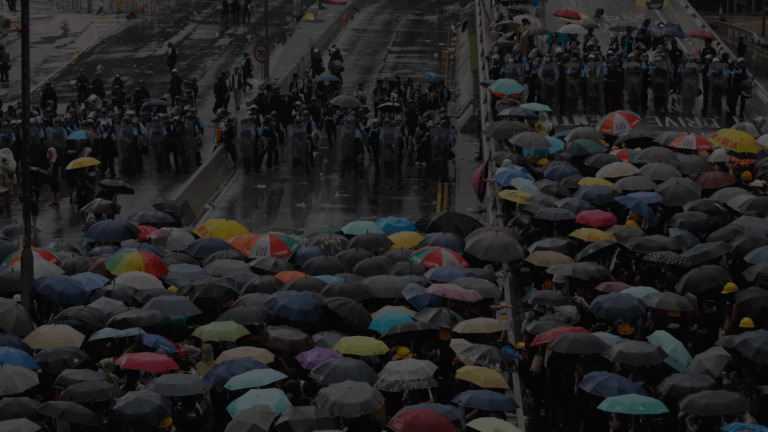
Independent media, political leaders, civil society leaders, organizations, and members of the general public face overt and systematic retaliation if they openly criticize or challenge the regime. The regime arrests, tortures, and arbitrarily detains dissidents, and has engaged in transnational repression to kidnap dissidents from abroad. The regime uses arrests and other forms of punishment, like prolonged internet shutdowns, against protestors.
Institutions largely fail to serve as independent checks on the regime. The courts allow the regime to rig elections, such as by upholding bans on political parties and imposing sentences on political opponents. At times, these cases are directed to separate military courts. A 2011 constitutional referendum consolidated executive, legislative, and judicial power in the hands of the president, allowing him to run for additional terms, appoint his son as vice president, appoint members of the Senate, and oversee the judiciary.