

Transnational repression is a growing threat to global human rights. In 2025, authoritarian regimes continued to surveil and silence dissidents abroad, relying on physical, legal, and digital tactics to reach beyond their borders and clamp down on the fundamental freedoms of these courageous individuals. The final installment of HRF’s end of year blog series highlights how transnational repression weakens advocacy efforts, erodes social trust, fractures coalitions, and produces sustained psychological harm among activists and diaspora communities.
Undermining Community Trust
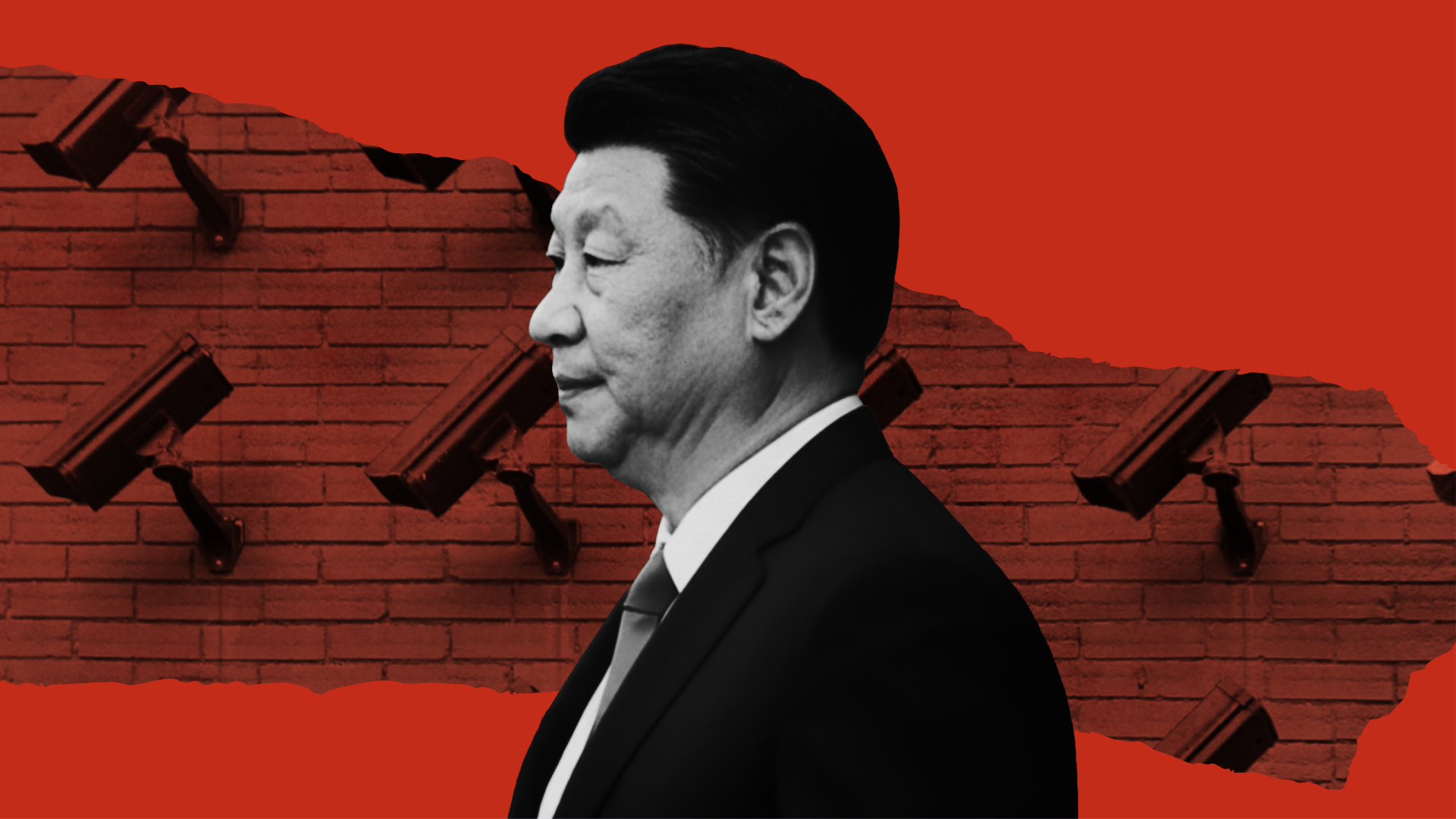
China is a global leader in both scale and sophistication of transnational repression. In 2025, the Chinese Communist Party (CCP) continued its extensive campaign of monitoring and intimidation of activists and members of diaspora communities. China has made massive investments in technological systems for state censorship, surveillance, and control, and the country’s global economic footprint has granted the CCP the diplomatic leverage necessary to shape international institutions. Through technological sophistication and economic influence, China has transformed free societies into environments ripe for transnational repression.
A 2025 investigation of China’s global repression of government critics published by the International Consortium of Investigative Journalists, drawing on interviews with 105 dissidents and activists spanning 23 countries (including several democracies) found that 60 of those interviewed believed they had been surveilled by Chinese agents. Twenty-seven interviewees said they were victims of online smear campaigns, while 19 experienced hacking attempts. Half of the targeted dissidents reported that their family members in China faced harassment and interrogation by police and security officials.
Relevant reports also noted that many activists described long-term emotional tolls, including burnout, fear, the burden of secrecy, and anxiety over threats to family members back home. This psychological strain on members of diaspora communities impacts civic and cultural spaces, leading some to self-censor, withdraw from public life, and detach from their networks, ultimately weakening global efforts to organize for human rights.
In March 2025, exiled leaders of the World Uyghur Congress, an international organization that promotes human rights and freedoms for the Uyghur people, received Google alerts that their accounts had been targeted in government-backed hacking attempts. Expert investigations from The Citizen Lab traced the campaign to sophisticated spear-phishing emails. The emails appeared to come from a trusted NGO partner, with malicious attachments containing a trojanized version of a trusted, open-source Uyghur-language text editor. Once opened, the software installed a backdoor which could be used to collect and transmit device details to remote command servers, as well as to upload or download additional files on the target device.
Researchers speculated that “threat actors likely aligned with the Chinese government” spearheaded the campaign. The attack illustrates how the CCP weaponizes culture—in this instance, the Uyghur language—to infiltrate and surveil a community it seeks to silence. These threats erode trust among exiles and advocates.
Carmen Lau, HRF Freedom Fellow and human rights advocate from Hong Kong, is no stranger to China’s transnational repression. Since fleeing to the United Kingdom in 2021, Lau has continued to face a barrage of state-linked digital harassment, including anonymous online threats, repeated Google alerts of government-backed attempts to steal her credentials, and the circulation of a deepfake video to discredit her. In 2024, the Hong Kong police issued a HK$1 million ($130,000) bounty on Lau for her role in Hong Kong’s pro-democracy movement, and earlier this year, her neighbors received letters offering the bounty in exchange for turning Lau in at China’s embassy. In response to these threats, British police advised Lau to avoid protests and limit her public appearances—in other words, to stop speaking out for democracy in Hong Kong.
Transnational repression has left activists like Lau living with persistent anxiety and hypervigilance, a constant sense of being watched that forces her to weigh her personal security against the basic act of participating in public life. Lau’s case reveals how Beijing’s tailored and comprehensive approach sows fear inside an already vulnerable diaspora and isolates exiled activists.
Intimidating the Families of Dissidents
Authoritarian regimes in the Association of Southeast Asian Nations (ASEAN) intimidate and harass dissidents online and target family members still inside the country as a means of reaching those living in exile in democratic countries. The psychological pressures can leave exiled activists feeling deeply isolated, worried about the safety of their families back home, and struggling with the sense that nowhere is safe for them.
In January, Thailand arrested a Montagnard indigenous activist, Y Quynh Bdap, following a request from neighboring Vietnam. Prior to the arrest, Y Quynh Bdap’s father reported to Radio Free Asia that local Vietnamese officials visited his family and attempted to intimidate them to sign a document urging Y Quynh Bdap to voluntarily return to Vietnam.
Cambodia’s Hun family and the dominant Cambodian People’s Party (CPP) have long targeted exiled Cambodian activists in the region, including in democracies. This year, Human Rights Watch documented a pattern of harassment aimed at silencing Cambodian dissident activists living in exile in Japan. A former CPP member living in Japan reported being paid to create videos attacking Cambodian activists and opposition supporters in Japan. After leaving the party and posting social media content that criticized the CPP, a military officer visited his family in Cambodia to ask about his whereabouts.
Protecting Communities from Transnational Repression
Exiled and diaspora activists engage in acts of peaceful resistance and cross-movement capacity building. Despite authoritarians’ efforts to surveil, censor, and attack activists through transnational repression, dissidents bravely continue to call for freedom.
Democracies should enhance their capacities to confront transnational repression to ensure that diaspora members, dissidents, and community leaders feel sufficiently safe and protected to exercise their rights to free expression. Measures can include rigorous awareness training for local law enforcement officials to help them better identify cases of transnational repression, additional vetting for diplomatic visas to screen for any affiliation or history of perpetrating such repression, and legislation criminalizing transnational repression as a punishable offense to deter such behaviors. At the 2025 Oslo Freedom Forum, independent Uyghur journalist Nyrola Elimä asked the international community to support the resettlement of exiled dissidents and refugees rather than criminalize them.
HRF and other human rights organizations have signed onto joint statements denouncing ongoing incidents of transnational repression, and through the CCP Disruption Initiative, HRF equips youth activists with strategies to protect themselves against digital transnational repression. Civil society should continue to monitor cases of transnational repression and stand in solidarity with the brave dissidents whom authoritarians seek to silence.