
In the News
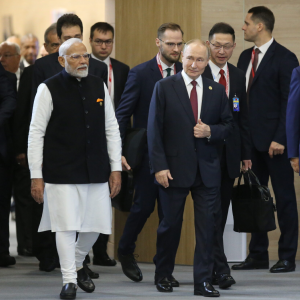
Russia designates HRF as “undesirable” in response to Tyranny Tracker’s “fully authoritarian” assessment
The designation criminalizes HRF’s work inside Russia and threatens anyone who engages with it — including Russian citizens living abroad — with fines and imprisonment. The Tyranny Tracker designates the Putin regime in Russia as fully authoritarian. Since taking office, Vladimir Putin has consolidated an entrenched autocratic regime by arbitrarily prolonging or resetting his presidential terms, systematically persecuting political rivals and dissidents, heavily manipulating electoral outcomes, and dismantling the independent media and civil society.
New Research & Reports
Tracking Tyranny in an Age of Democratic Backsliding
In February, Chief Legal and Policy Officer Javier El-Hage, Director of Policy and Research Malaak Jamal, and Senior Policy Officer for the Americas Alvaro Piaggio published a piece in the Journal of Democracy, exploring what sets the Tyranny Tracker apart from other indices and how readers can use the tool to inform their work.
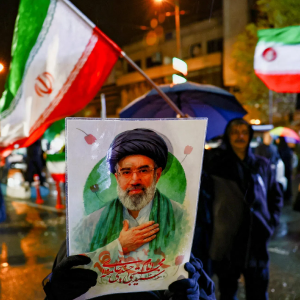
Which Iran is Mojtaba Khamenei aiming to govern?
In April, Tyranny Tracker Research Fellow Al Bayaa published an op-ed in Norway’s Aftenposten on what Mojtaba Khamenei’s rise could mean for Iran. At least three scenarios loom — repression, limited easing, or fragmentation — each with major consequences. Analyzing Khamenei’s consolidation of power underscores the daunting realities facing the Iranian people, who must navigate an increasingly entrenched security apparatus in their ongoing pursuit of self-determination.
Learn how Iran places on the Tyranny Tracker.
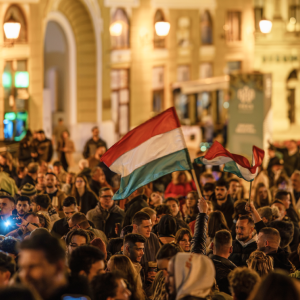
Against all odds, Tisza beat the system – but can it change it?
In July, Tyranny Tracker Research Fellows Samuele Arioli and Zara Rancheva published a two-part series on how Hungary’s opposition overcame years of democratic backsliding to win at the ballot box. The pieces explore the lessons this election offers for pro-democracy movements in other hybrid authoritarian regimes and the challenges the country’s new leadership faces as it works to rebuild democratic institutions.
Learn how Hungary places on the Tyranny Tracker.
Tyranny Tracker Events
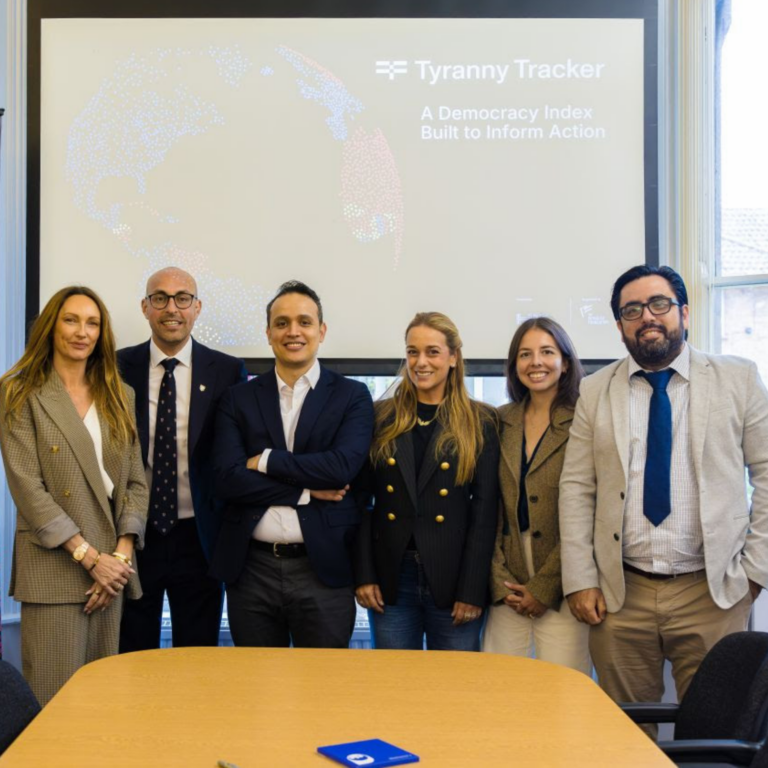
University of Oxford
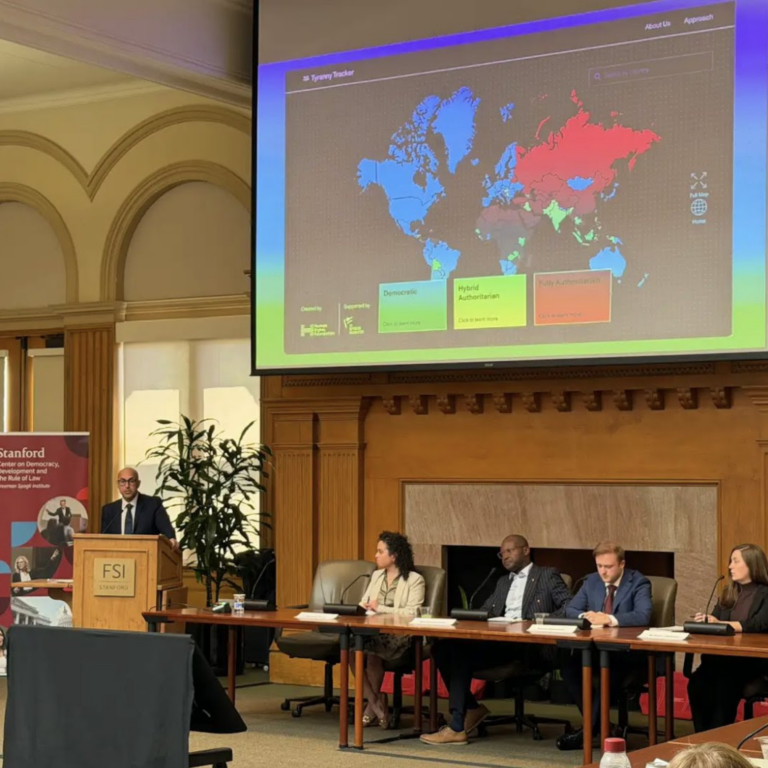
Stanford University
Country Spotlight
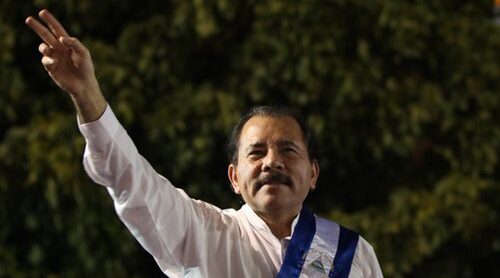
Nicaragua
On July 19, the authoritarian ruler of Nicaragua, Co-president Daniel Ortega, announced that elections would no longer be held. The country’s most recent national elections, in 2021, were marred by widespread electoral fraud and the jailing of all seven major opposition candidates for the presidency. Since he was first elected in 2006, Ortega has progressively undermined democratic institutions to consolidate authoritarian power alongside his wife and current co-president, Rosario Murillo. Following the 2018 pro-democracy protests that challenged Ortega and Murillo’s rule, the dictatorship tightened its hold on power and cracked down on dissidents to the point that “organised civic activism and the defence of human rights have become almost impossible,” according to OHCHR.
The formal elimination of elections would make Nicaragua’s one-party rule law the law of the land. This follows other recent regime actions to institutionalize its autocratic practices. In January 2025, the National Assembly, which is dominated by the ruling Sandinista Front of National Liberation party (FSLN), promulgated an overhaul of 148 constitutional articles. The revisions formally named Ortega and Murillo as the leaders of the judiciary, legislature, and executive branches, effectively eliminating the separation of powers. This September, the FSLN-controlled National Assembly is expected to once again change the constitution, thereby enforcing Ortega’s mandate to end elections.
To learn more about authoritarian consolidation in Nicaragua, read the Tyranny Tracker’s analysis and listen to HRF’s latest podcast with Nicaraguan political activist Félix Maradiaga.