Newsletter Sep 10, 2026 HRF’s Weekly Financial Freedom Report #137 El Salvador’s $1.4 billion International Monetary Fund (IMF) loan is moving forward after officials reduced the government’s role in Bitcoin infrastructure. Majority ownership and control of the state-backed Chivo wallet have shifted to a private operator, while the IMF says recent additions to the country’s Bitcoin holdings came from private donations rather than public funds.
Announcement Sep 8, 2026 New WSJ essay from HRF’s Alex Gladstein In a new essay for The Wall Street Journal, HRF Chief Strategy Officer Alex Gladstein examines what happens when people cannot rely on their governments or financial systems to protect their savings, access their money, or transact freely.
Newsletter Sep 4, 2026 HRF’s AI for Individual Rights Newsletter #16 Chinese tech giant Huawei is bidding to expand Egypt’s AI capacity, bringing more powerful artificial intelligence (AI) tools into the hands of a dictatorship. In a country where officials already closely monitor and suppress dissent, that expansion could make surveillance faster and more sophisticated.
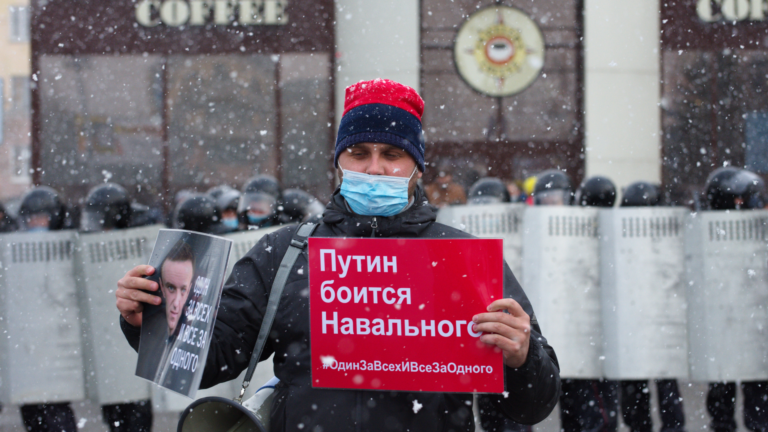
Newsletter Sep 3, 2026 HRF’s Weekly Financial Freedom Report #136 In Russia, officials sentenced a senior programmer to a four-year suspended sentence for donating $21 to the Anti-Corruption Foundation (ACF). Leonid Stepanov was convicted using his own bank statements, showing how the Kremlin weaponizes financial surveillance and demonstrating precisely why alternative payment rails like Bitcoin matter in the struggle for democracy.
Newsletter Aug 28, 2026 HRF’s AI for Individual Rights Newsletter #15 This week, Saudi Arabia’s state-linked AI company HUMAIN announced a partnership with French AI lab Mistral. When authoritarian regimes collaborate with leading AI companies from democracies, they may gain greater influence over how AI systems are developed and deployed.
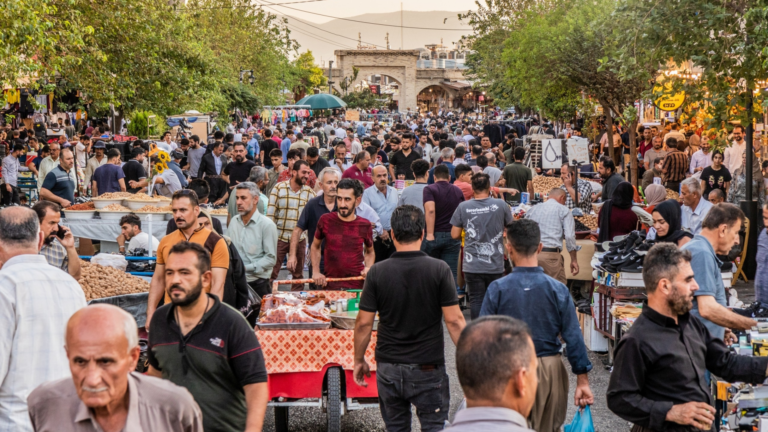
Newsletter Aug 13, 2026 HRF’s Weekly Financial Freedom Report #135 In Iraq, the hybrid authoritarian regime has decided to remove three zeros from the dinar and issue new banknotes, a move officials argue would force hoarded cash back into banks.
Press Release Aug 25, 2026 HRF Grants 500M+ Satoshis to 16 Freedom Tech Projects Worldwide The Human Rights Foundation (HRF) is pleased to announce grants totaling more than 500 million satoshis from its Bitcoin Development Fund (BDF).
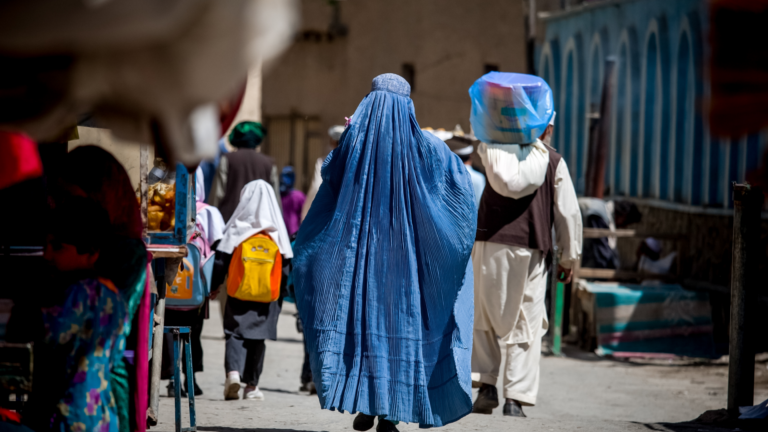
Newsletter Aug 24, 2026 HRF’s AI for Individual Rights Newsletter #14 Welcome to the 14th edition of HRF’s AI for Individual Rights newsletter. We begin in Afghanistan, where the Taliban is using tens of thousands of cameras to surveil women forced to follow its repressive rules.
Newsletter Aug 20, 2026 HRF’s Weekly Financial Freedom Report #134 In Russia, Binance gave officials the identity and transaction history of a user who donated more than $700 in cryptocurrency to Ukrainian causes. The Kremlin later used this information to charge him with financing terrorism.
Announcement Aug 20, 2026 Gulf dictatorships have moved billions into global football. Now what? Shadow Play is a limited-run print magazine about football and dictators from The Signal and Human Rights Foundation (HRF).
Newsletter Aug 13, 2026 HRF’s Weekly Financial Freedom Report #133 In Russia, Putin’s dictatorship officially designated the Human Rights Foundation (HRF) as an “undesirable” organization.
Newsletter Aug 14, 2026 HRF’s AI for Individual Rights Newsletter #13 Across this week’s news, authoritarian regimes continue deploying AI-powered surveillance to better identify and track critics.
Report Aug 11, 2026 Toolkit to Counter the Chinese Communist Party’s Transnational Repression The Human Rights Foundation’s Toolkit to Counter the Chinese Communist Party’s (CCP) Transnational Repression (TNR) is a direct outcome of HRF’s 2026 Beyond Borders workshop, which brought together young activists from Uyghur, Hong Konger, Tibetan, Chinese, and Southern Mongolian diasporas and Taiwan.
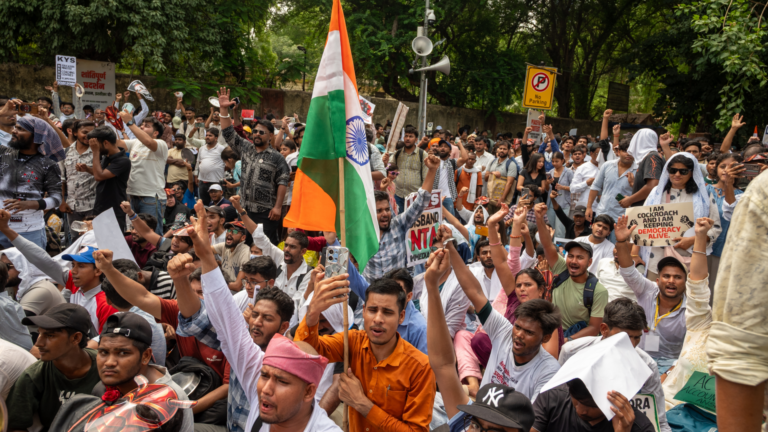
Newsletter Aug 10, 2026 HRF’s AI for Individual Rights Newsletter #12 This week we look at how police in Delhi shockingly used AI-powered facial recognition to scan India’s largest youth protest in decades, matching faces against a police database in real time.
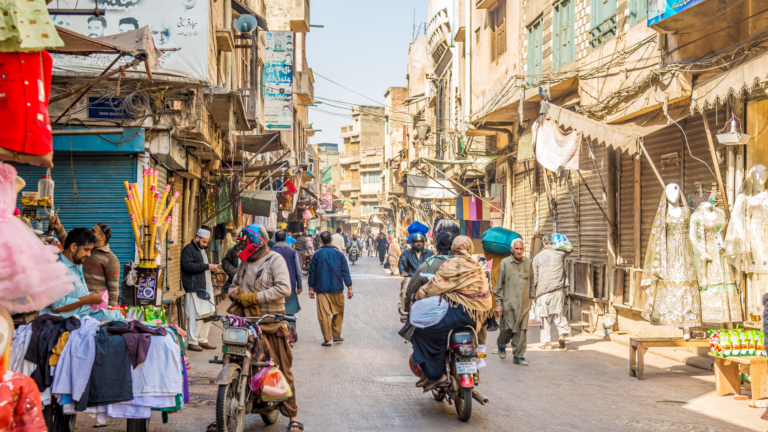
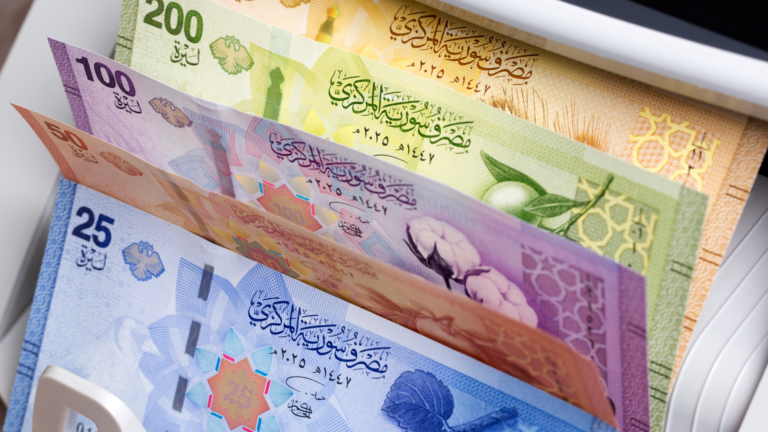
Newsletter Aug 6, 2026 HRF’s Weekly Financial Freedom Report #132 In Syria, the transitional government replaced the Assad-era pound, which lost more than 99% of its value since 2011. The new pound removes two zeros from the old currency, but the process has created new barriers for Syrians holding old banknotes outside the formal economy, especially those who are unbanked, far from Damascus, or reliant on cash.
Blog Post Aug 4, 2026 Don’t Be Fooled: How To Vet Ethical Brands Understanding whether a brand is truly ethical and focused on impact, especially when it comes to avoiding forced labor and exploitative labor practices, is not easy.
Newsletter Jul 30, 2026 HRF’s Weekly Financial Freedom Report #131 In India, Narendra Modi’s hybrid authoritarian regime attempted to restrict access to code for Bitchat, an open-source app that allows users to send messages over Bluetooth without an internet connection, after suspending internet access during student protests in Delhi.
Announcement Jul 29, 2026 HRF’s Chief Strategy Officer, Alex Gladstein, featured on BBC World Service What if AI could be a tool for freedom? In conversation with Owen Clegg from BBC World Service, Alex Gladstein, Chief Strategy Officer at the Human Rights Foundation, explores how artificial intelligence can empower human rights activists, expand access to information, and help counter authoritarian uses of technology. Listen to the full conversation below.
Press Release Jul 27, 2026 HRF Succeeds in UN Petition for Hong Kong Pro-Democracy Activist Owen Chow NEW YORK (July 27, 2026) — The Human Rights Foundation (HRF) welcomes the UN Working Group on Arbitrary Detention (WGAD) decision that the detention of Hong Kong activist Owen Chow is arbitrary and in violation of international law.
Publication Jul 24, 2026 Protecting EU-Based Youth Activists and Diaspora Communities from China’s Transnational Repression Although a codified definition remains absent from the international legal lexicon, transnational repression (TNR) refers to the practice of foreign governments or their proxies extending their reach beyond borders in an attempt to individuals, including human rights defenders, journalists, activists, artists, academics, and members of diaspora communities, whose speech, activity, or perceived affiliations are regarded by the state as unacceptable.